Menu

Tag: Pakistan economy

Government Considers Unfreezing Fuel Prices as Global Energy Surge Hits Kerosene and Jet Fuel
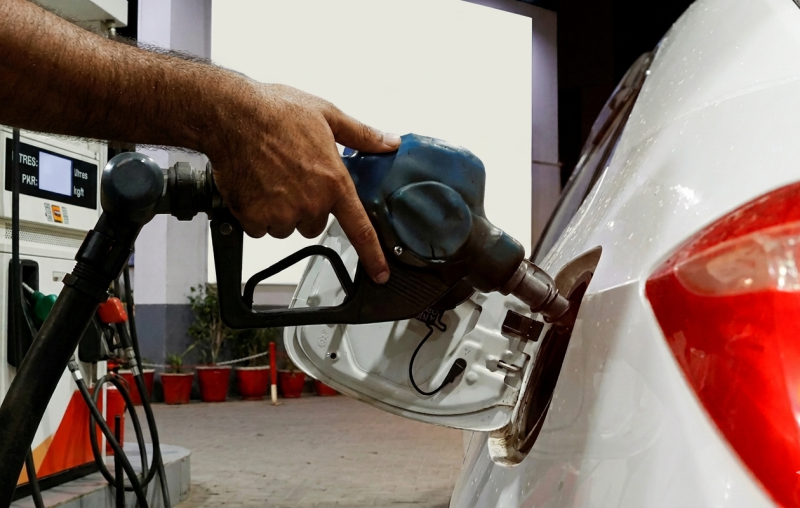
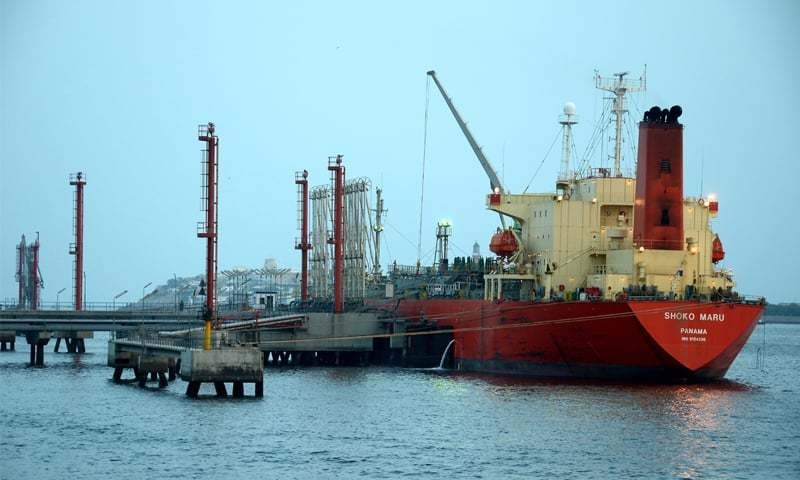
ISLAMABAD – Facing an unsustainable subsidy burden and a volatile global energy market, the federal government is evaluating a plan to "unfreeze" petroleum prices to reflect international trends. While petrol and diesel rates have been kept stable for the public in recent weeks, other critical fuels—specifically Jet Fuel (JP-1) and Kerosene—have already undergone massive, unannounced price hikes following the escalating conflict in the Middle East.
Read more
Gold Prices Tumble Below Rs450k as Global Geopolitics Shift
Gold prices in Pakistan experienced a historic crash on Monday, plummeting by Rs43,600 to settle at Rs447,762 per tola, marking one of the steepest single-day declines on record. This massive correction was triggered by a shift in global market sentiment after U.S. President Donald Trump announced a five-day postponement of planned military strikes against Iranian energy infrastructure, citing productive diplomatic talks. The resulting de-escalation of geopolitical tensions caused a sharp sell-off in safe-haven assets, with international spot gold diving as low as $4,097 per ounce before a slight recovery. Analysts suggest that while this cooling of "war premiums" and lower oil prices have provided immediate relief to the local market, the situation remains highly volatile, with the $4,000 international threshold serving as a critical support level for future price movements.
Read more
Government Bans High-Octane Fuel Use to Offset Rising Levies
Prime Minister Shehbaz Sharif has imposed an immediate ban on the use of high-octane fuel for all government vehicles following a sharp increase in the petroleum levy from Rs100 to Rs300 per litre. Under this strict austerity measure, no government department may procure premium fuel at the state’s expense; any exceptional use must be paid for by officials out of their own pockets. This directive, which includes the establishment of a rigorous monitoring mechanism to prevent violations, builds upon existing efforts such as a 50% reduction in official fuel quotas and the grounding of 60% of the state fleet. The primary goal is to rationalize government spending and redirect the resulting savings toward public relief by maintaining the affordability of standard petroleum products for the general population.
Read more
Pakistan Targets Fuel Crisis with 4-Day Work Week and Radical Austerity Measures
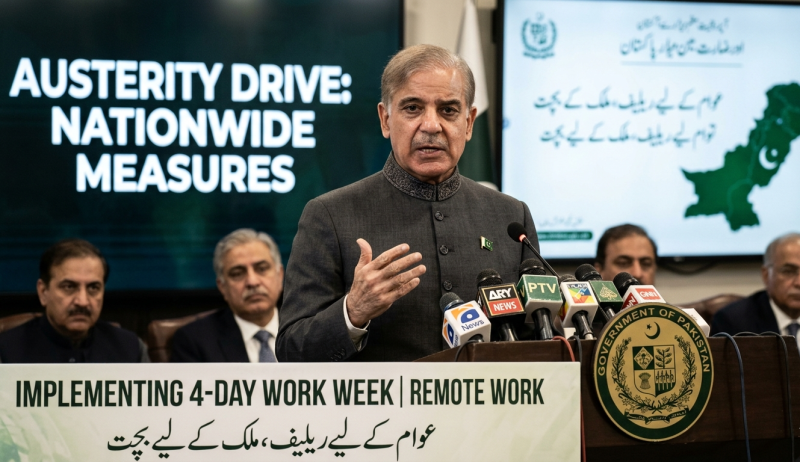
In response to soaring global oil prices triggered by regional tensions, Prime Minister Shehbaz Sharif has launched a nationwide "war austerity plan." The initiative targets massive fuel and fiscal savings by shifting the country to a four-day work week and a 50% work-from-home model for both public and private sectors (excluding banks and essential services). Additional measures include a 50% cut in government fuel quotas, grounding 60% of the official fleet, and significant salary deductions for cabinet members, lawmakers, and high-ranking officials. To further reduce overhead, the government has banned hotel-based events and foreign travel, while closing schools from March 10 to 31 in favor of online learning. These combined efforts are projected to save the national exchequer over PKR 26 billion.
Read more
Pakistan Fuels Crisis as Petrol and Diesel Skyrocket by Rs55 Per Litre
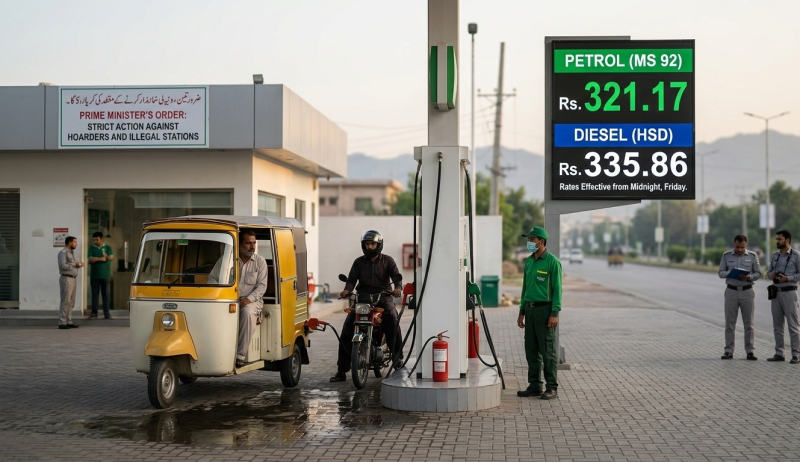
The Pakistani government has announced a massive Rs55 per litre increase for both petrol and diesel, effective from midnight on Friday. This record hike brings petrol to Rs321.17 and diesel to Rs335.86 per litre, a decision driven by skyrocketing global oil prices following the escalation of conflict between Iran, the US, and Israel. Government officials, including Finance Minister Muhammad Aurangzeb and Deputy PM Ishaq Dar, noted that the regional instability has caused Brent crude to surge above $90 a barrel. In response to the crisis, Prime Minister Shehbaz Sharif has ordered an immediate nationwide crackdown on fuel hoarding and the cancellation of licenses for stations creating artificial shortages.
Read more
Middle East Conflict Paralyzes Pakistan’s Supply Lines
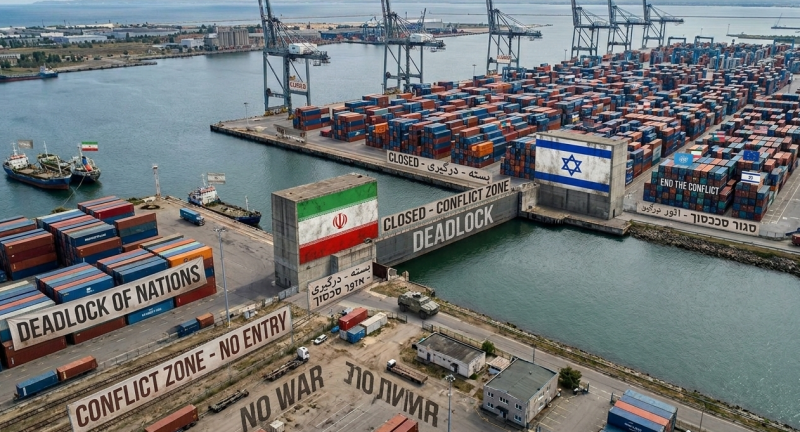
The escalating war in the Middle East following US and Israeli strikes on Iran has effectively paralyzed Pakistan’s external trade. With over 150 flights cancelled and major shipping routes including the vital Strait of Hormuz suspended or restricted, the supply of oil and LNG to Pakistan faces a critical threat. The UAE and Saudi Arabia, two of Pakistan's largest trading partners, are now in a state of high tension, putting the government’s $60 billion export target at serious risk. Beyond trade, the humanitarian and financial toll is mounting. Thousands of Pakistanis, including Umrah pilgrims, remain stranded, while the country’s stock market has already plunged 9% in a single morning. Remittance inflows, the backbone of Pakistan’s foreign reserves, are expected to drop sharply during the month of Ramazan, as the regional volatility creates massive uncertainty for millions of Pakistani expatriates.
Read more
SBP Favors Stability Over Bold Rate Cuts
SBP Governor Jameel Ahmad prioritizes economic stability over aggressive rate cuts, citing Pakistan's post-crisis phase with 5-7% inflation, current account surplus, and recovering reserves. Focus shifts to sustainable growth via development finance, as sharp easing risks inflation rebound; exporter aids include tariff cuts and Export Finance tweaks amid $7B IMF EFF ending 2027.
Read more
FBR Raises Islamabad Property Values by Up to 75%, Spares DHA
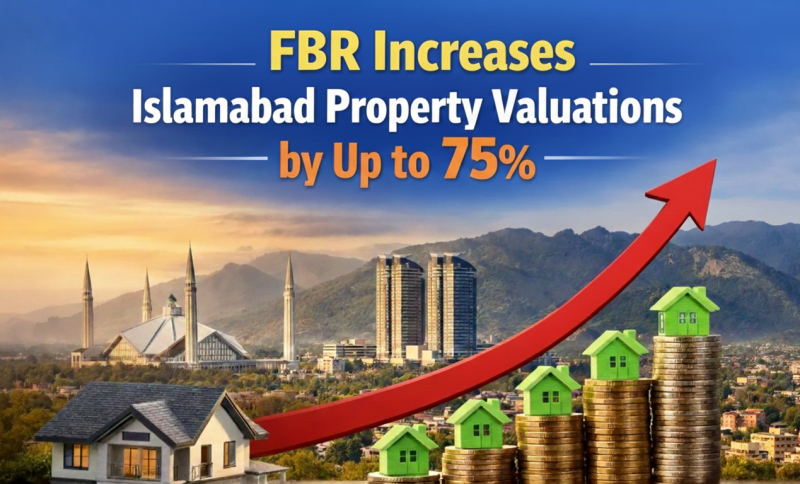
The FBR has officially increased property valuations in Islamabad by 15% to 75% via a new notification (SRO.163), though DHA areas remain notably excluded. The updated framework sets building values at Rs3,000 per sq. ft. for structures up to five years old and Rs1,500 for older ones. While rural areas will still follow DC rates, the FBR clarified that the higher value will always apply in case of a conflict. This revised policy follows a brief suspension of previous, more aggressive rates to accommodate feedback from real estate stakeholders.
Read more