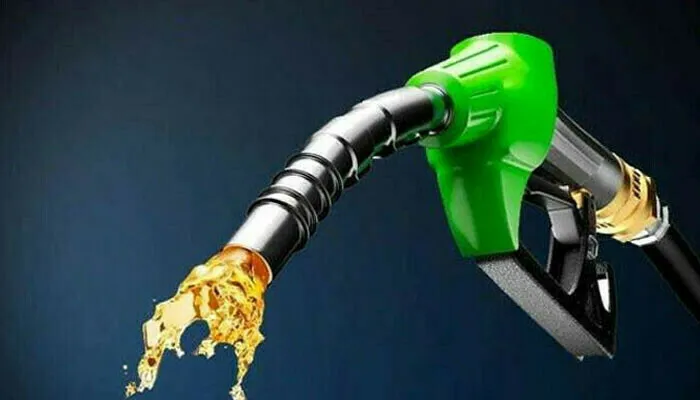
In a major escalation of national austerity efforts, Prime Minister Shehbaz Sharif has issued an immediate and absolute ban on the use of high-octane fuel for all government-owned vehicles. The directive comes as the petroleum levy on high-grade fuel has been tripled surging from Rs100 to Rs300 per litre in a bid to curb state expenditures and shield the general public from rising global energy costs.
Mandatory Compliance and Personal Liability
Under the new policy, no federal ministry, department, or subordinate office is authorized to procure high-octane fuel at the state’s expense. While the ban is comprehensive, the Prime Minister’s Office (PMO) noted that in "exceptional cases" where premium fuel is technically essential for specific high-performance engines, the financial burden must be borne personally by the officials in charge.
To prevent loopholes, the Prime Minister has ordered the immediate development of a robust monitoring mechanism. This system will track fuel requisitions across all government tiers, with the PMO explicitly warning that any violations will result in "strict disciplinary action" against the responsible heads of departments.
The Strategy: High-End Cuts for Public Relief
The government's decision is strategically designed to shift the economic burden toward the wealthiest segments of society and the state's own operational budget. By targeting high-octane fuel which is primarily used in luxury and high-performance vehicles—the administration aims to generate approximately Rs9 billion in monthly savings.
According to official statements, these funds are being specifically earmarked to:
-
Maintain Price Stability: Subsidize and stabilize the prices of regular petrol and diesel used by the middle and lower-income classes.
-
Control Transport Inflation: Ensure that public transport fares and air travel costs remain unaffected by international oil volatility.
A Broader Austerity Framework
This ban is the latest in a series of aggressive measures to rationalize government spending. Previous steps already in effect include:
-
A 50% reduction in the standard fuel quota for all official vehicles.
-
The grounding of 60% of the total government fleet to reduce maintenance overheads.
-
A four-day work week and work-from-home policies for 50% of non-essential staff to further conserve energy.
Prime Minister Shehbaz Sharif reiterated that the current global energy crisis, compounded by regional tensions in the Middle East, makes fiscal discipline a "pressing national requirement." He emphasized that the state must lead by example, ensuring that national resources are utilized with maximum efficiency to provide direct relief to the citizens.