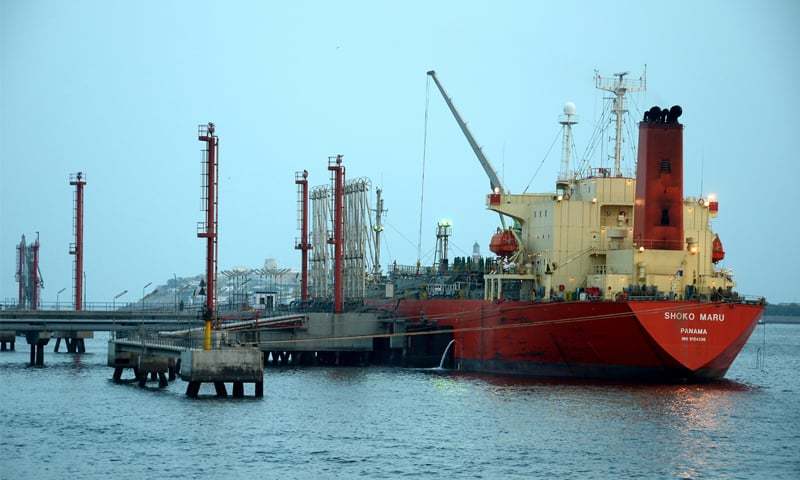
Pakistan’s fragile economic recovery is facing a severe headwind as escalating global oil prices threaten to inflate the national import bill by an estimated $8–9 billion. Driven by intensifying Middle East conflicts and global supply disruptions, the surge is pushing the country’s external accounts to a breaking point.
With landed costs for crude now nearing $145 per barrel, the government is caught in a high-stakes balancing act between preventing public outcry and maintaining fiscal discipline.
The Market Drivers: Why Prices are Soaring
Several international factors have converged to create a "perfect storm" for Pakistan’s energy sector:
-
Geopolitical Risk: Regional tensions in the Middle East have driven Dubai benchmarks to $135 per barrel.
-
The Russian Factor: A temporary halt on gasoline exports from Moscow (slated for April through July 2026) is expected to tighten global supply further.
-
Price Doubling: In just one month, crude prices jumped from roughly $70 in February to $145 in March, effectively doubling the projected cost of energy imports.
The Government’s Dilemma: Subsidies vs. Sustainability
While the federal government has already deployed Rs125 billion to shield consumers from the full force of these shocks, officials admit the current strategy is hitting a wall.
The Funding Gap:
-
Total Relief Arranged: Rs158 billion.
-
Total Utilized to Date: Rs125 billion.
-
Status: Remaining funds are expected to be exhausted imminently.
Proposed Solutions: "Demand Management"
Analysts and policymakers are shifting focus toward "demand management"—a strategy to reduce consumption rather than just subsidizing it. Key proposals currently on the table include:
-
Tiered Pricing: Keeping fuel prices stable for "vulnerable" segments (motorcycles and rickshaws) via digital subsidies while passing full market costs to larger private vehicles.
-
Fuel Rationing: Implementing strict quotas to preserve foreign exchange reserves.
-
Fiscal Sharing: A federal request for Rs200 billion in relief contributions from provincial governments—a move that has seen pushback, with provinces favoring price hikes to naturally curb demand.
-
Currency Adjustment: Allowing for gradual exchange rate flexibility to better manage the cost of imports.
The Bottom Line
Pakistan’s upcoming high-level policy meetings will be a defining moment for the 2026 fiscal year. Without a coordinated response between federal and provincial authorities, the $9 billion hole in the import bill could lead to a significant depletion of foreign exchange reserves and renewed inflationary pressure.