Menu

Lifestyle

Pakistan’s 5G Revolution
Pakistan has successfully auctioned 480 MHz of new spectrum, doubling its capacity and laying the foundation for 5G. With Jazz leading the investment and Ufone grabbing 5G capacity, the country is no longer a regional laggard. The focus now shifts to upgrading fiber infrastructure and making 5G devices affordable for the masses.
Read more
Pakistan Targets Fuel Crisis with 4-Day Work Week and Radical Austerity Measures
In response to soaring global oil prices triggered by regional tensions, Prime Minister Shehbaz Sharif has launched a nationwide "war austerity plan." The initiative targets massive fuel and fiscal savings by shifting the country to a four-day work week and a 50% work-from-home model for both public and private sectors (excluding banks and essential services). Additional measures include a 50% cut in government fuel quotas, grounding 60% of the official fleet, and significant salary deductions for cabinet members, lawmakers, and high-ranking officials. To further reduce overhead, the government has banned hotel-based events and foreign travel, while closing schools from March 10 to 31 in favor of online learning. These combined efforts are projected to save the national exchequer over PKR 26 billion.
Read more
Pakistan Fuels Crisis as Petrol and Diesel Skyrocket by Rs55 Per Litre
The Pakistani government has announced a massive Rs55 per litre increase for both petrol and diesel, effective from midnight on Friday. This record hike brings petrol to Rs321.17 and diesel to Rs335.86 per litre, a decision driven by skyrocketing global oil prices following the escalation of conflict between Iran, the US, and Israel. Government officials, including Finance Minister Muhammad Aurangzeb and Deputy PM Ishaq Dar, noted that the regional instability has caused Brent crude to surge above $90 a barrel. In response to the crisis, Prime Minister Shehbaz Sharif has ordered an immediate nationwide crackdown on fuel hoarding and the cancellation of licenses for stations creating artificial shortages.
Read more
UAE Property Market Faces Major Crisis as Regional Conflict Shakes Investor Confidence
The UAE’s real estate market is grappling with a sudden instability after Iranian missile strikes challenged its status as a global "safe haven." This geopolitical shift has caused a sharp drop in developer stocks (down 5%), a freeze in the bond market, and serious concerns over the 300,000–400,000 new units expected by 2028. With 65% of Dubai's market tied to off-plan sales and a 90% expatriate population, the sector’s future now rests on whether foreign investors still view the region as a secure place for their capital.
Read more
South Korea Fears Middle East Conflict Could Stifle Global Chip Supply
South Korea is warning that the intensifying conflict involving Iran, Israel, and the U.S. could disrupt the global semiconductor supply chain. The crisis threatens the sourcing of helium, a critical material with no viable alternatives used for heat management in chip production. While major players like SK Hynix report sufficient current inventories, industry leaders fear that prolonged regional instability will lead to higher energy costs and stall Big Tech’s expansion of AI data centers in the Middle East. This warning comes as drone strikes have already damaged Amazon data centers in the UAE and Bahrain, raising concerns for companies like Microsoft and Nvidia that view the region as a future hub for AI computing.
Read more
The Slowdown of Pakistan’s Solar Momentum
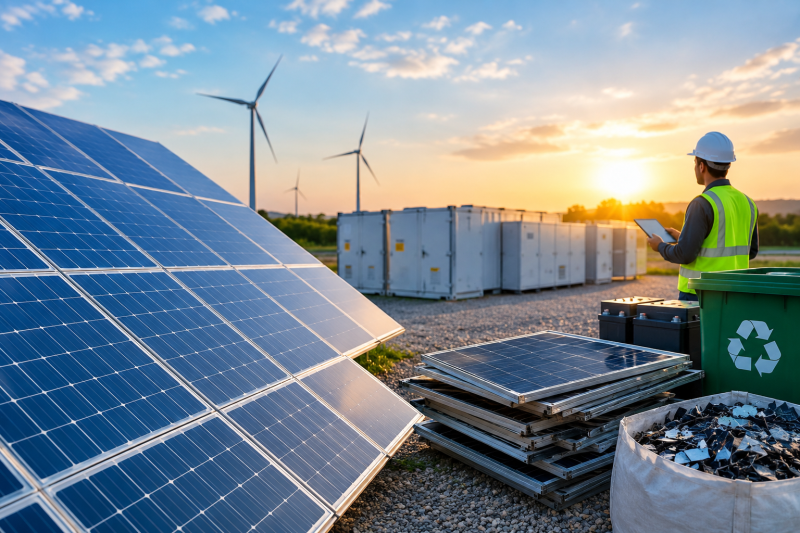
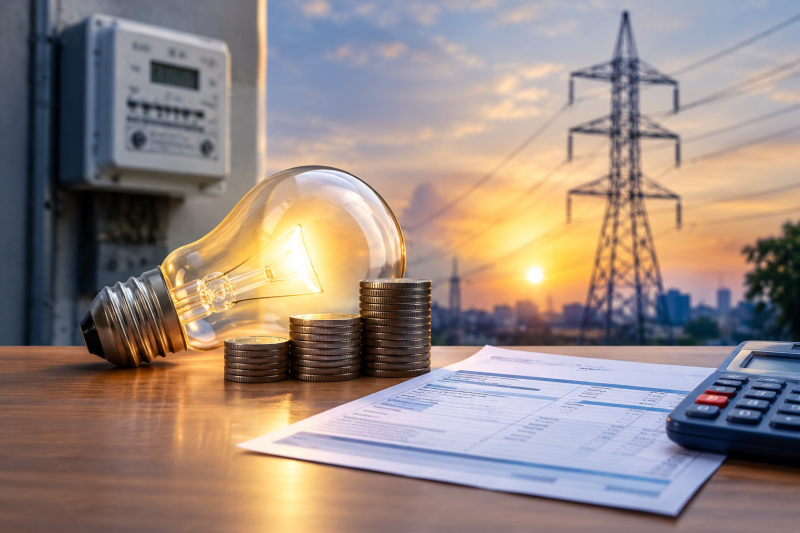
The government’s transition from net metering to a more restrictive net billing system under the Prosumer Regulations 2026 has fundamentally altered the economics of solar energy in Pakistan. By forcing consumers to sell excess electricity back to the grid at significantly lower rates than they pay to import it, the new policy has drastically extended the payback period for solar investments and cooled a market that was previously the fourth largest in the world for solar imports. This slowdown poses a direct threat to Pakistan’s $100 billion export target, as industries particularly textiles urgently need cheap, green energy to comply with the European Union’s upcoming carbon taxes and remain competitive against regional rivals. Consequently, as policy uncertainty drives a sharp decline in solar panel imports, the market is shifting toward smaller, self-sufficient systems and increased battery storage, leaving the country to weigh the short-term goal of protecting grid revenue against the long-term necessity of a sustainable energy transition.
Read more
Smart Murree App Integrates AI and Real Time Alerts for Tourists
The Murree Police have launched the "Safe Tourism App," an AI-powered platform designed to modernize visitor safety and navigation. In coordination with various departments like Rescue 1122 and the Meteorological Department, the app offers 24/7 features including an AI chatbot for route guidance, a Virtual Women Police Station, and live traffic alerts. To ensure transparency, it also includes a "Text to DPO" WhatsApp feature for instant complaints, providing a comprehensive digital safety net for travelers.
Read more
RDA Blacklists 293 Illegal Housing Schemes in Rawalpindi
The Rawalpindi Development Authority (RDA) has declared 293 private housing schemes illegal for operating without mandatory approvals and has warned the public against investing in them. Under the direction of Commissioner Rawalpindi and Director General RDA, Engineer Aamer Khattak, the authority is taking strict legal action, including filing FIRs, sealing offices, and demolishing illegal structures. The schemes, located across areas like Taxila, Gujar Khan, and Kahuta, were identified for violations such as unauthorized development, illegal marketing, and incomplete applications. The RDA strongly advises investors and overseas Pakistanis to verify the legal status of any project on the official RDA website, as the authority will not be responsible for financial losses incurred through these unauthorized transactions.
Read more
Fuel Prices Reach New Highs as Government Announces Rs8 Increase for Petrol and Rs5.16 for HSD
The government has implemented a significant fuel price hike effective March 1, 2026, raising petrol by Rs8 per litre and High-Speed Diesel (HSD) by Rs5.16 per litre. This adjustment brings the new price of petrol to Rs266.17 and HSD to Rs280.86, a move driven by recommendations from the Oil and Gas Regulatory Authority (OGRA) amid volatile global oil markets and regional instability in the Gulf.This increase is expected to place immediate financial pressure on middle- and lower-income households who rely on petrol for motorcycles and small vehicles. Furthermore, the rise in diesel prices the backbone of the transport and agricultural sectors—is likely to trigger a broader inflationary wave. As freight charges for trucks and buses climb, the costs of essential commodities like food grains and vegetables are anticipated to rise, while farmers face higher expenses for operating tractors and tube wells during the current crop cycle.
Read more