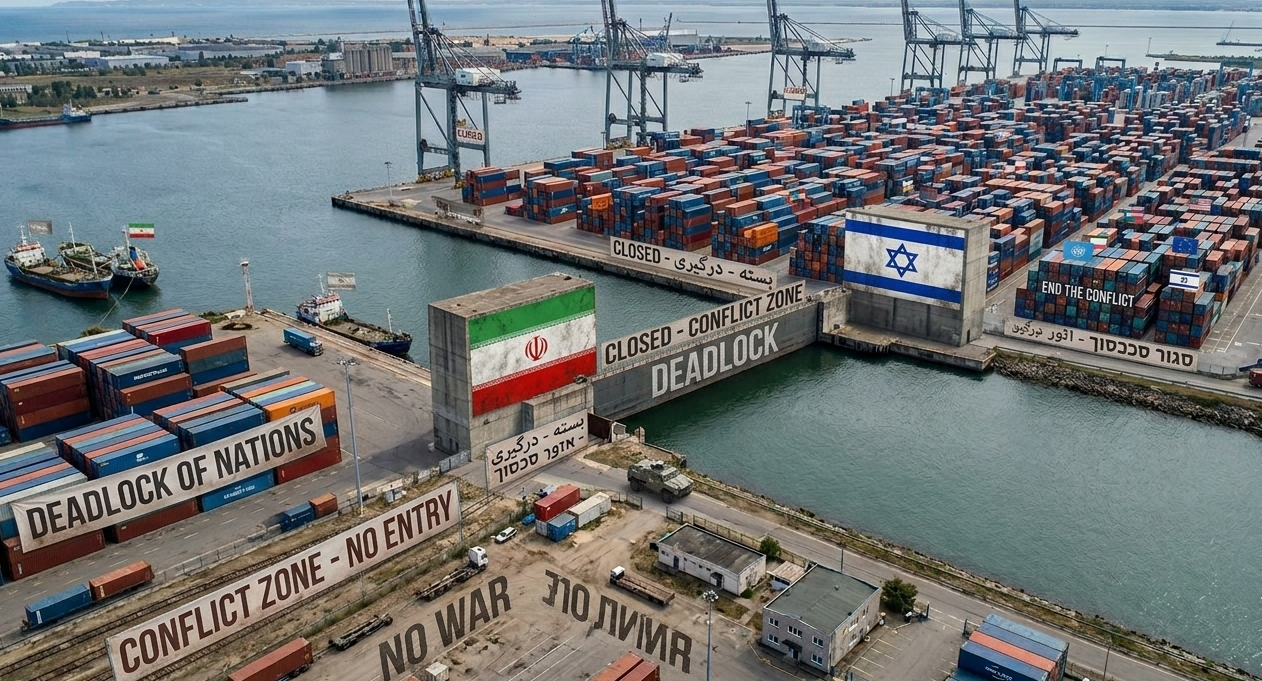
The erupting war in the Middle East has sent shockwaves through Pakistan’s economy, effectively halting external trade as shipping routes and flight operations face widespread suspension. Following military strikes involving Israel, the US, and Iran, the sudden closure of regional airspace has left hundreds of thousands of Pakistanis stranded including a large number of pilgrims performing Umrah in Saudi Arabia while leaving the business community in a state of deep uncertainty.
Economic Impact: Trade and Energy at Risk
The conflict threatens to derail Pakistan’s ambitious export goals and destabilize its energy security:
-
Trade Paralysis: The UAE, Pakistan’s second-largest trading partner, and Saudi Arabia represent billions in annual trade that is now frozen.
-
Energy Crisis: With the potential closure of the Strait of Hormuz, critical imports of oil from the Gulf and LNG from Qatar face total disruption.
-
Stagnant Growth: The government’s goal to reach $60 billion in exports within three years is now under severe threat as regional demand and logistics collapse.
Remittances and Currency Fluctuations
Pakistan’s foreign exchange reserves, which hit $40 billion in FY25, rely heavily on the millions of overseas workers in the Middle East. Experts are now warning of a double-edged sword:
-
Lower Cash Inflow: While digital remittances continue, the usual surge of "hand-carried" foreign currency from workers returning for Eid is expected to vanish.
-
Market Volatility: Exchange Companies Association Chairman Malik Bostan noted an immediate drop in demand for Riyals and Dirhams. While the Rupee showed initial gains due to low demand for travel currency, the true impact on the banking market will emerge on Monday.
Humanitarian and Labor Concerns
The safety of millions of Pakistani expatriates remains a primary concern. Beyond the immediate logistics of repatriating pilgrims, there is growing anxiety regarding the long-term job security of workers in the region. If the conflict escalates, the displacement or insecurity of this workforce could lead to a permanent dent in Pakistan’s primary source of foreign exchange.