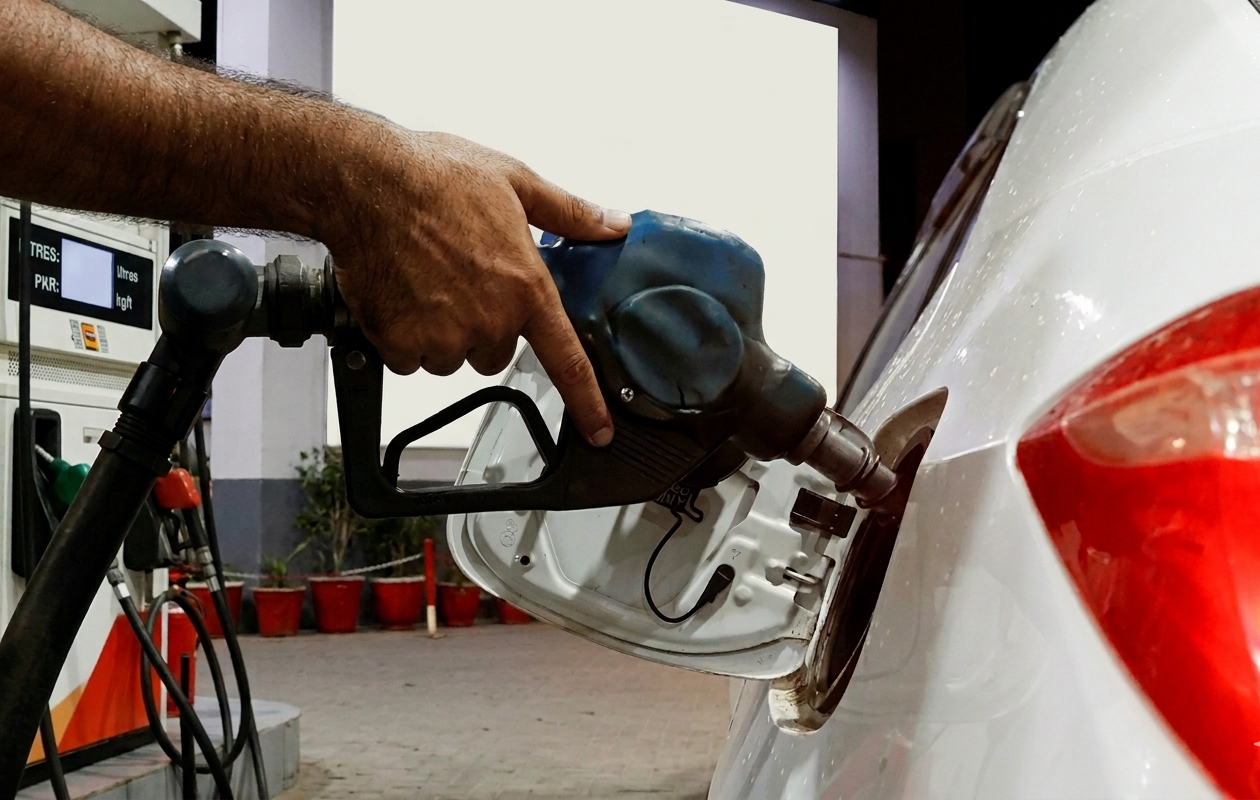
Facing an unsustainable subsidy burden and a volatile global energy market, the federal government is evaluating a plan to "unfreeze" petroleum prices to reflect international trends. While petrol and diesel rates have been kept stable for the public in recent weeks, other critical fuels—specifically Jet Fuel (JP-1) and Kerosene have already undergone massive, unannounced price hikes following the escalating conflict in the Middle East.
The Hidden Price Surge and Subsidy Burden
Official data reveals a stark contrast between frozen transport fuels and the skyrocketing costs of aviation and domestic fuels. Since early March, Jet Fuel prices have surged by nearly 150%, reaching approximately Rs472 per litre, while Kerosene prices have climbed by 127% to reach Rs429 per litre. To keep petrol and diesel prices from following this trend, the state is currently absorbing a massive financial hit, paying roughly Rs175 per litre in subsidies for diesel and Rs75 per litre for petrol. Officials warn that diverting funds from development projects and emergency disaster reserves to maintain these caps is a short-term fix that cannot be sustained indefinitely.
Transition to Targeted Relief
To balance fiscal responsibility with public protection, a special cabinet committee is reviewing a proposal to allow general fuel prices to fluctuate with the global market while introducing targeted subsidies specifically for motorcycles and rickshaws. This "balanced policy calibration" aims to shield the most vulnerable commuters while stopping the artificial postponement of inflation, which experts warn only builds greater economic pain for the future. Despite the price volatility, the government maintains that national fuel inventories remain at comfortable levels with secure import schedules for the coming months.
Aviation Crisis and Export Pressure
The surge in Jet Fuel is already causing a ripple effect across the travel and trade sectors. Domestic airfares have jumped by Rs10,000 to Rs15,000, while international tickets have seen increases of up to Rs40,000. Travel to Europe has become particularly expensive, with some tickets reportedly costing nearly Rs1 million due to route diversions necessitated by troubled airspace. Additionally, the national carrier, PIA, has seen over 200 flight cancellations since the regional hostilities began. On the trade front, exporters are raising alarms over an additional Rs50 per kg ground handling charge, which threatens the financial viability of fruit and vegetable exports shipped via air.