Menu

Tag: Energy Crisis

Pakistan Unveils Hybrid ‘Survival Plan’ as Power Crisis Looms
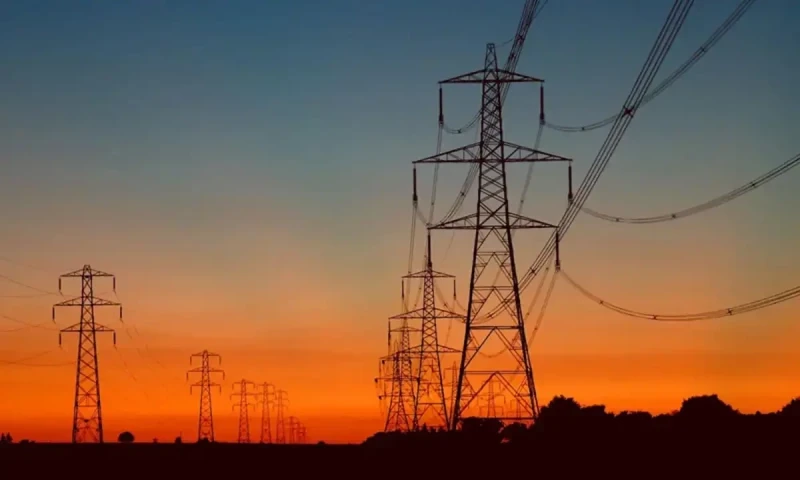
To navigate a severe summer energy shortfall exacerbated by the Middle East crisis, the Pakistani government is implementing a "hybrid" survival plan involving scheduled load-shedding, mandatory conservation, and significant tariff hikes. With LNG and imported coal supplies which typically provide half of the nation's power facing near-zero availability, the grid is forced to rely on furnace oil-based generation, which has seen costs double to Rs35 per unit. This shift, combined with internal bureaucratic friction between Pakistan Railways and key coal power plants, threatens to add Rs10–12 per unit in fuel cost adjustments for consumers. To prevent a total collapse, the strategy includes diverting gas from the CNG and fertilizer sectors to the power grid and enforcing two to three hours of daily load-shedding as a "contingency valve" against the astronomical Rs80 per unit cost of diesel-based generation.
Read more
Rising Crude Prices Threaten Pakistan with $9 Billion Import Bill Surge
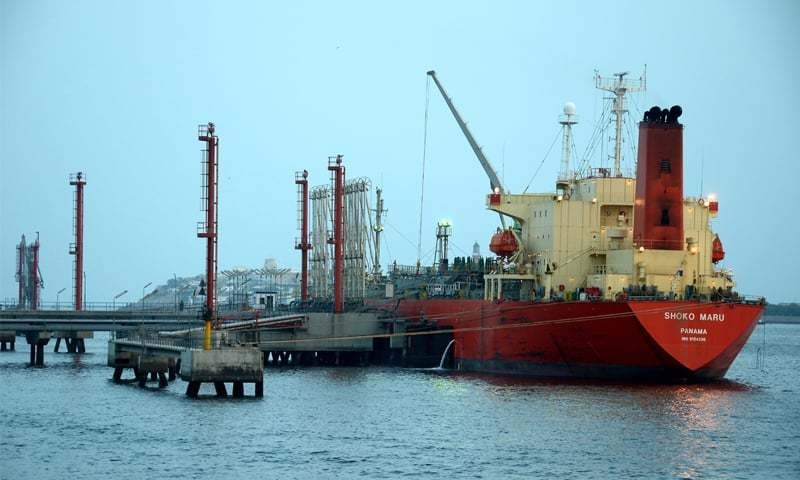
Driven by intensifying Middle East conflicts and Russia’s halt on gasoline exports, Pakistan faces a potential $8–9 billion surge in its annual import bill as landed crude costs soar toward $145 per barrel. This sudden price doubling up from $70 in February 2026 has nearly exhausted the government's Rs158 billion relief fund, leaving policymakers with the narrow choice of either passing massive costs to consumers or enforcing aggressive demand management. To stabilize the economy, the federal government is now weighing a tiered "digital subsidy" model to protect low-income commuters (motorcycles and rickshaws) while preparing for fuel rationing and potential fiscal contributions from provincial budgets to prevent a total depletion of foreign exchange reserves.
Read more
Government Considers Unfreezing Fuel Prices as Global Energy Surge Hits Kerosene and Jet Fuel
ISLAMABAD – Facing an unsustainable subsidy burden and a volatile global energy market, the federal government is evaluating a plan to "unfreeze" petroleum prices to reflect international trends. While petrol and diesel rates have been kept stable for the public in recent weeks, other critical fuels—specifically Jet Fuel (JP-1) and Kerosene—have already undergone massive, unannounced price hikes following the escalating conflict in the Middle East.
Read more
Government Bans High-Octane Fuel Use to Offset Rising Levies
Prime Minister Shehbaz Sharif has imposed an immediate ban on the use of high-octane fuel for all government vehicles following a sharp increase in the petroleum levy from Rs100 to Rs300 per litre. Under this strict austerity measure, no government department may procure premium fuel at the state’s expense; any exceptional use must be paid for by officials out of their own pockets. This directive, which includes the establishment of a rigorous monitoring mechanism to prevent violations, builds upon existing efforts such as a 50% reduction in official fuel quotas and the grounding of 60% of the state fleet. The primary goal is to rationalize government spending and redirect the resulting savings toward public relief by maintaining the affordability of standard petroleum products for the general population.
Read more
Pakistan Fuels Crisis as Petrol and Diesel Skyrocket by Rs55 Per Litre
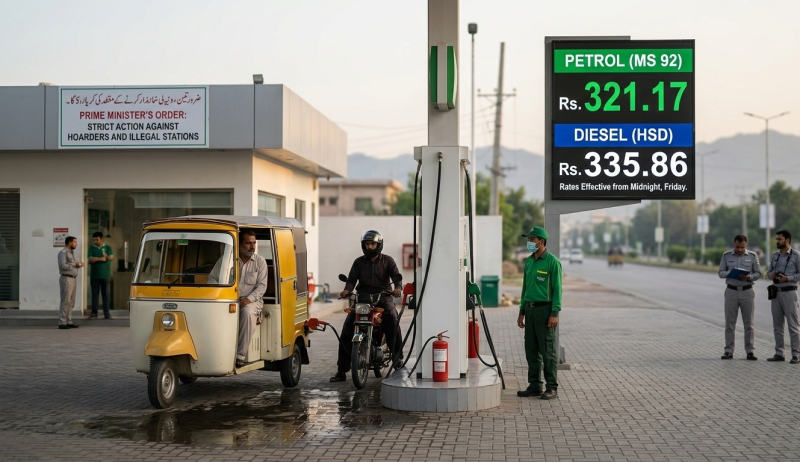
The Pakistani government has announced a massive Rs55 per litre increase for both petrol and diesel, effective from midnight on Friday. This record hike brings petrol to Rs321.17 and diesel to Rs335.86 per litre, a decision driven by skyrocketing global oil prices following the escalation of conflict between Iran, the US, and Israel. Government officials, including Finance Minister Muhammad Aurangzeb and Deputy PM Ishaq Dar, noted that the regional instability has caused Brent crude to surge above $90 a barrel. In response to the crisis, Prime Minister Shehbaz Sharif has ordered an immediate nationwide crackdown on fuel hoarding and the cancellation of licenses for stations creating artificial shortages.
Read more
Fuel Prices Reach New Highs as Government Announces Rs8 Increase for Petrol and Rs5.16 for HSD
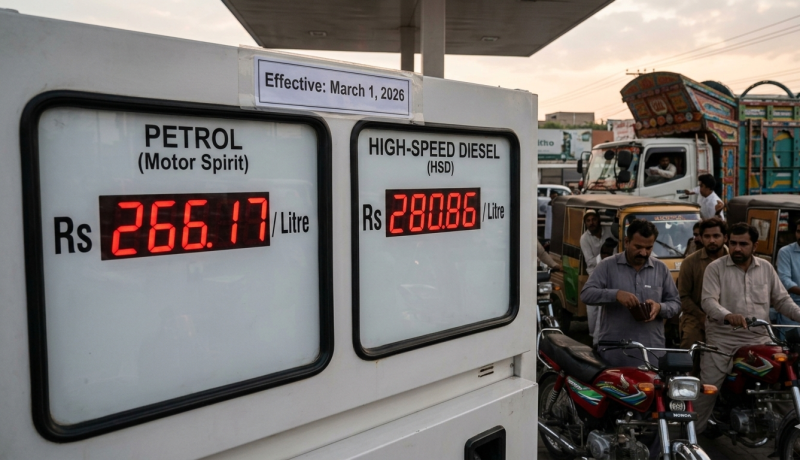
The government has implemented a significant fuel price hike effective March 1, 2026, raising petrol by Rs8 per litre and High-Speed Diesel (HSD) by Rs5.16 per litre. This adjustment brings the new price of petrol to Rs266.17 and HSD to Rs280.86, a move driven by recommendations from the Oil and Gas Regulatory Authority (OGRA) amid volatile global oil markets and regional instability in the Gulf.This increase is expected to place immediate financial pressure on middle- and lower-income households who rely on petrol for motorcycles and small vehicles. Furthermore, the rise in diesel prices the backbone of the transport and agricultural sectors—is likely to trigger a broader inflationary wave. As freight charges for trucks and buses climb, the costs of essential commodities like food grains and vegetables are anticipated to rise, while farmers face higher expenses for operating tractors and tube wells during the current crop cycle.
Read more