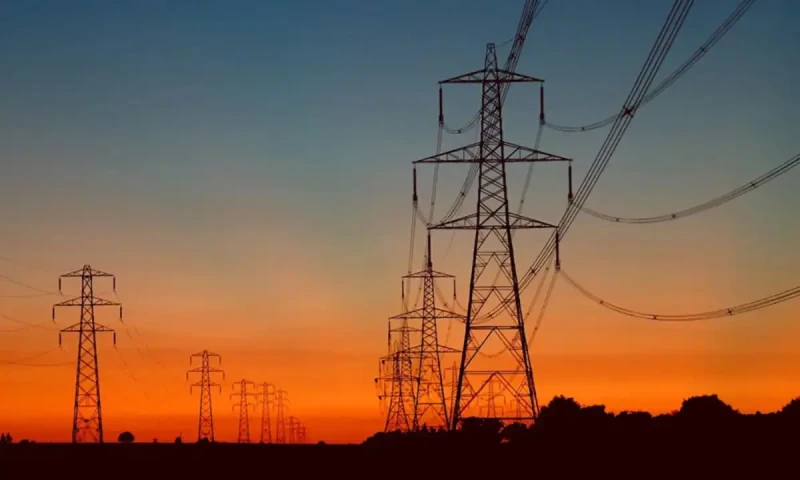
As the Middle East conflict chokes global energy supply lines, the Government of Pakistan is preparing a "hybrid" emergency framework to navigate a projected summer power shortfall. The plan moves away from purely financial fixes, instead relying on a mix of scheduled load-shedding, mandatory energy conservation, and steep tariff hikes to keep the national grid from collapsing.
With summer demand expected to peak at 28,000 MW, the Power Division is scrambling to fill a massive void left by the near-total disappearance of Liquefied Natural Gas (LNG) and imported coal.
The Fuel Gap: A Generation Nightmare
The crisis is driven by a stark reality: the fuels that usually power half of Pakistan’s grid are no longer accessible or affordable.
-
The LNG Vanishing Act: LNG, which accounts for 21% of total generation, will have "virtually zero availability" starting next month due to regional instability.
-
The Coal Crunch: Disputes and supply chain breaks have crippled the 30% of the grid typically powered by coal.
-
The High-Cost Alternative: To keep lights on, the government is turning to Furnace Oil (RFO). While stocks are currently sufficient for 25 days, the cost is astronomical Rs35 per unit compared to the Rs13.50 for coal.
Prohibitive Costs: High-Speed Diesel (HSD) generation has reportedly skyrocketed to over Rs80 per unit following strikes in the Middle East, effectively removing it as an option for the power sector.
Logistics and "Bureaucratic War"
While external wars are to blame for fuel prices, internal "tug-of-wars" are worsening the shortage. Approximately 1,500–1,800 MW of coal-based generation is currently at risk due to a bitter dispute between Pakistan Railways and major power plants (Sahiwal and Jamshoro).
-
The Railway Blockade: Officials report that Railways management is restricting coal loading and wagon availability.
-
Fuel Depletion: Sahiwal and Jamshoro plants are down to just 3 to 7 days of fuel. If these stocks empty, the country faces an additional 3 hours of daily load-shedding beyond the planned cuts.
Consumer Impact: The "Automatic Adjustment"
The government estimates that fuel cost adjustments (FCA) could surge by Rs10–12 per unit. Because this burden is too heavy for the industrial sector to bear alone, the government is looking at:
-
Strict Conservation: Early closure of markets and reduced commercial lighting.
-
Gas Diversion: Fully suspending gas to the CNG sector and curtailing fertilizer plants to prioritize power generation.
-
Tiered Load-Shedding: An average of 2–3 hours of daily outages, even in urban centers.
The Bottom Line
Pakistan is entering a summer where grid stability is no longer guaranteed by the ability to pay, but by the ability to manage scarcity. The success of this hybrid plan hinges on whether the Prime Minister can break the bureaucratic deadlock between the Railways and Power divisions before the mercury and public frustration begins to rise.