Menu

Laws & Taxes

Budget 2026-27 Unveils Major Tax Relief for Real Estate
The Budget 2026-27 introduces a strategic tax relief package designed to stimulate the real estate and construction sectors by lowering transaction costs and addressing industry grievances. Key reforms include a 50% reduction in withholding tax rates for active tax filers—dropping to 1.25% for buyers and 2.75% for sellers—alongside the formal repeal of Section 7E. By eliminating this controversial "deemed income" tax, which was recently ruled unconstitutional, the government aims to restore investor confidence, encourage market activity, and foster a more favorable environment for property development and investment.
Read more
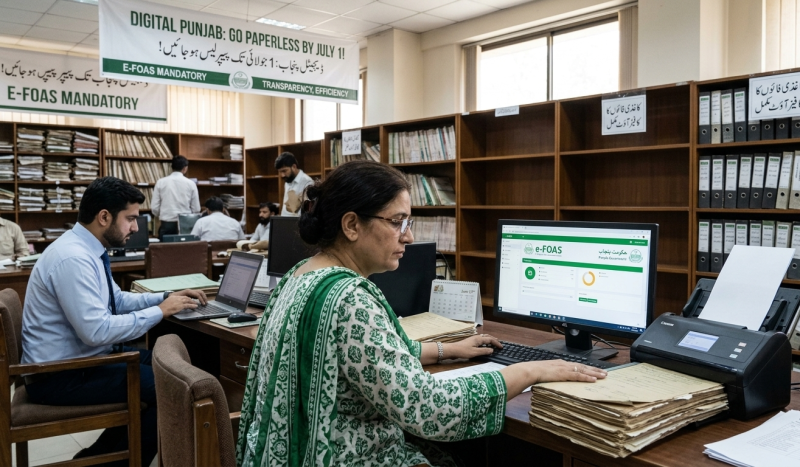
Punjab Government Mandates Full Transition to Digital Filing by July 1
The Punjab government has mandated that all provincial, regional, and district public offices transition entirely to the E-Filing and Office Automation System (e-FOAS) by July 1, effectively banning manual paper correspondence. This structural shift, overseen by the Punjab Information Technology Board, is expected to save billions in administrative costs while improving transparency, reducing processing delays, and accelerating the resolution of public grievances. Additionally, the Chief Secretary acknowledged the successful efforts of administrative teams in meeting solid waste management targets during the recent Eid-ul-Azha holiday.
Read more
Freelancers Advocate for Continued 0.25 Percent Tax Rate on Foreign Earnings
The Pakistan Freelancers Association (PAFLA) has urged the government to maintain the 0.25% tax rate on foreign exchange earnings for the next decade to support the country's growing digital workforce. PAFLA also proposed state funding for capacity-building programs, the creation of regional freelancing hubs, and subsidies for international professional certifications. This request comes as freelancing export receipts reached USD 959 million between July and April of FY2025–26, marking a 49% increase from the previous year. Furthermore, PAFLA warned that imposing additional taxes on knowledge-based content creators or implementing complex tax mechanisms could drive freelancers toward informal financial channels, ultimately harming Pakistan's foreign exchange position.
Read more
Federal Budget FY2026–27 Government Plans 20 Percent Cut in Power Sector Subsidies
The government plans to reduce power sector subsidies by 20% in the FY2026–27 federal budget, bringing the total allocation to Rs 830 billion. This move, which aligns with IMF requirements to cap subsidies at 0.6% of GDP, aims to manage circular debt and improve sector efficiency. While overall subsidies are declining, allocations for K-Electric are projected to rise significantly, and the government is shifting its strategy toward targeted cash transfers for low-income consumers via the Benazir Income Support Programme (BISP) rather than broad cross-subsidies.
Read more
Concerns Mount Over Economic Impact of Upcoming Federal Budget
Former FPCCI Vice President Tariq Haleem has warned that the upcoming FY2026–27 federal budget, drafted under stringent IMF conditions, may impose significant hardships on the public and business community by stifling economic growth. To mitigate these risks, he urges the government to abandon aggressive revenue collection tactics in favor of broadening the tax base, implementing a single-digit General Sales Tax (GST), and offering targeted incentives for the maritime and shipping sectors. Ultimately, Haleem advocates for a strategic shift toward economic self-reliance by reducing dependence on external debt and prioritizing policies that foster employment and productivity.
Read more
FBR slashes Property Valuation Rates in Lahore and Rawalpindi
The Federal Board of Revenue (FBR) has issued two new notifications revising the valuation rates of immovable properties downward in Lahore and Rawalpindi, aimed at reducing the tax burden on real estate transactions. This targeted adjustment follows a similar recent reduction in Islamabad, bringing the total number of Pakistani cities receiving FBR property valuation relief to eight. By adjusting these benchmarks closer to current economic realities, the move lowers accompanying capital gains and advance withholding taxes to revive momentum in the property sector.
Read more
Trump Signals "Very Quick" End to Iran War, Steering Oil Prices Down
Oil prices dipped on Wednesday as investors reacted to optimistic remarks from US President Donald Trump, who claimed the war with Iran would end "very quickly," a sentiment reinforced by Vice President JD Vance’s reports of diplomatic progress. However, the market's downward move remained capped by ongoing volatility and deep-seated supply anxieties, as the conflict has effectively shuttered the Strait of Hormuz choking off roughly one-fifth of global oil supplies. With major institutions like Citi warning that the market is underpricing the risk of a prolonged disruption and US crude inventories projected to fall for a fifth straight week, analysts emphasize that oil prices are likely to remain elevated even if a tentative peace agreement is reached.
Read more
Provinces Tasked With PKR 400Bn Tax Surge From Key Sectors
Under strict IMF program commitments, the federal government has directed Pakistan's four provinces to collectively generate over PKR 400 billion in additional tax revenue for FY 2026–27, primarily targeting the agriculture, services, and real estate sectors. Sindh and Punjab bear the brunt of the fiscal target, assigned PKR 200 billion and PKR 175 billion respectively, as part of a broader national strategy to mobilize over PKR 1.1 trillion globally through joint provincial-federal enforcement and expanded sales taxes. To ensure compliance, the FBR has initiated data-sharing protocols with the provinces, though historical challenges in collecting agricultural income tax remain a major hurdle.
Read more
Ministry Orders NEPRA to Restore Fee-Free Solar Approvals for Small Users
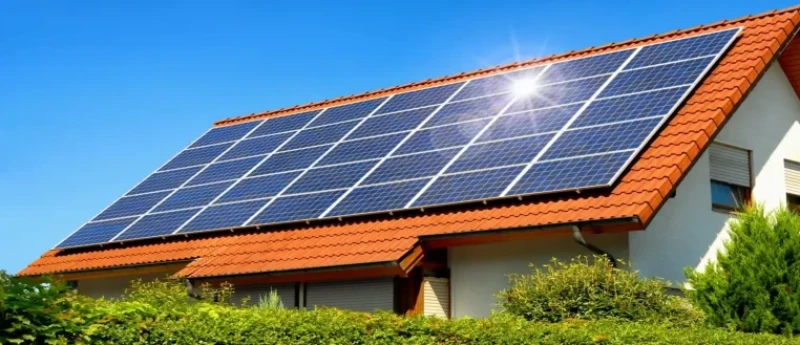
The Power Division has directed NEPRA to abolish licensing requirements and application fees for small solar systems up to 25kW, effectively reversing a controversial "sunlight tax." Power Minister Awais Leghari stated the move aims to restore the 2015 regulatory framework, allowing small-scale users to process applications through local distribution companies (Discos) at no cost. By removing these bureaucratic hurdles and extra charges, the government seeks to encourage clean energy adoption and provide financial relief to households and small businesses amid rising electricity costs.
Read more