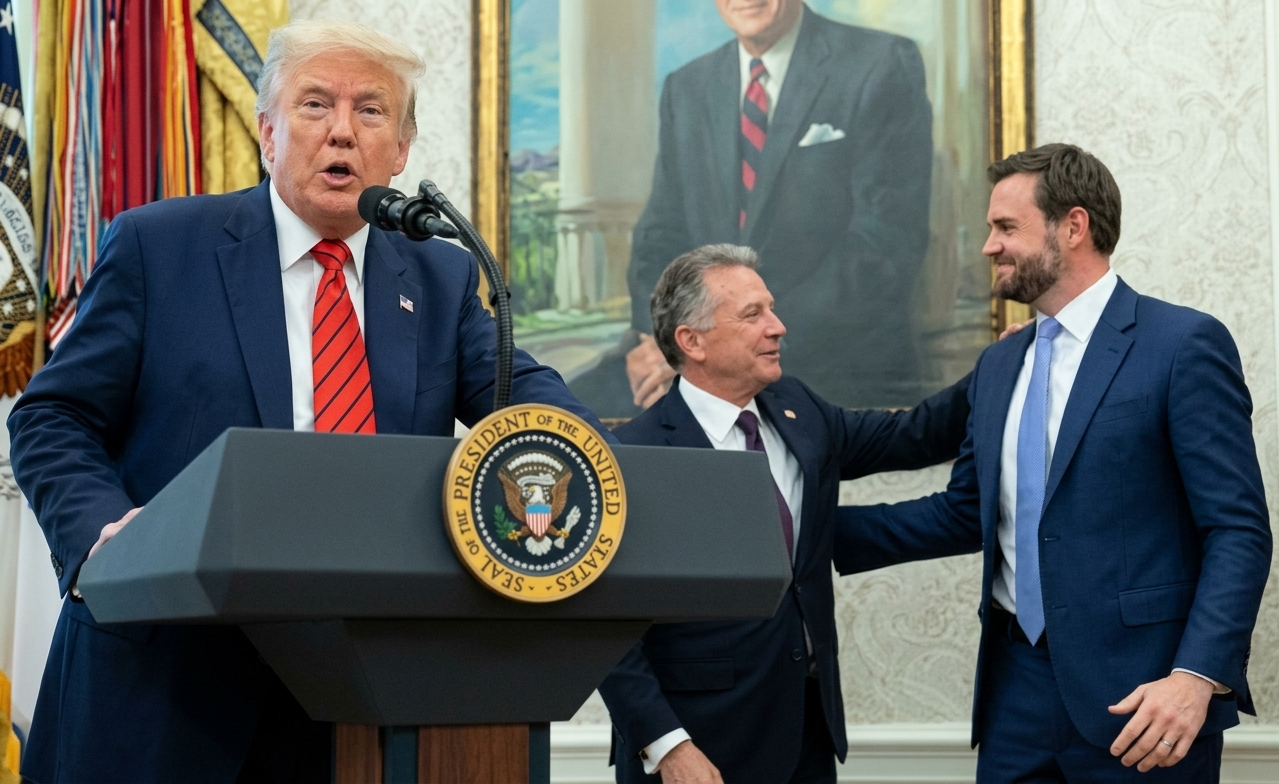
The White House has officially confirmed that Vice President JD Vance will lead a high-powered American delegation to Pakistan this week for a decisive second round of talks with Iran. Accompanied by Middle East envoy Steve Witkoff and senior adviser Jared Kushner, the team arrives in Islamabad amidst a mix of global anticipation and soaring regional tensions.
This diplomatic push follows an intense, 21-hour marathon session held last week that ended without a breakthrough. However, sources suggest significant "behind-the-scenes" progress has been made, positioning Pakistan once again as the central mediator in a conflict that threatens to engulf the Gulf.
Tehran’s Hesitation & Maritime Friction
While Washington is moving forward, Tehran remains officially non-committal. Iran’s state-run news agency, IRNA, has downplayed reports of their participation, citing "excessive demands" from the U.S. and the ongoing naval blockade as major roadblocks.
The atmosphere has been further strained by recent escalations in the Strait of Hormuz. President Trump claimed U.S. naval forces recently seized an Iranian-flagged vessel, alleging that Iran violated the existing ceasefire by firing near French and British freighters.
Trump’s "Deal or Strike" Ultimatum
In a characteristically blunt statement, President Trump framed the Islamabad talks as a final opportunity for peace. While offering what he described as a "very fair and reasonable deal," he issued a severe warning should negotiations fail:
"If they don't [take the deal], the United States is going to knock out every single power plant and every single bridge in Iran... It's time for the Iran killing machine to end."
Trump noted that while a closed Strait of Hormuz costs the region $500 million a day, the United States remains economically insulated, with shipping traffic being successfully redirected.
Pakistan as the "Honest Broker"
Despite the hardening public rhetoric, diplomatic insiders believe the "tough talk" is largely for domestic consumption. Pakistani officials have intensified backchannel efforts to keep both parties at the table, maintaining the country's role as a trusted intermediary.
Security at Maximum Capacity: In anticipation of the VVIP arrivals, the Twin Cities have been transformed into a fortress:
-
25,000+ Personnel: A massive force of Police, Rangers, and Frontier Corps has been deployed.
-
Red Zone Sealed: Islamabad’s diplomatic district is under total lockdown.
-
VVIP Protocols: Advance teams have already landed, triggering elite security details at designated international hotels.
As the Wednesday ceasefire expiration looms, the world’s eyes are on Islamabad to see if this round of "Uraan" diplomacy can bridge the divide or if the region edges closer to open conflict