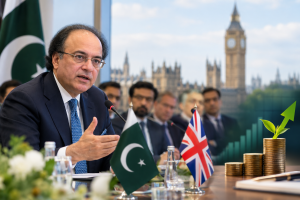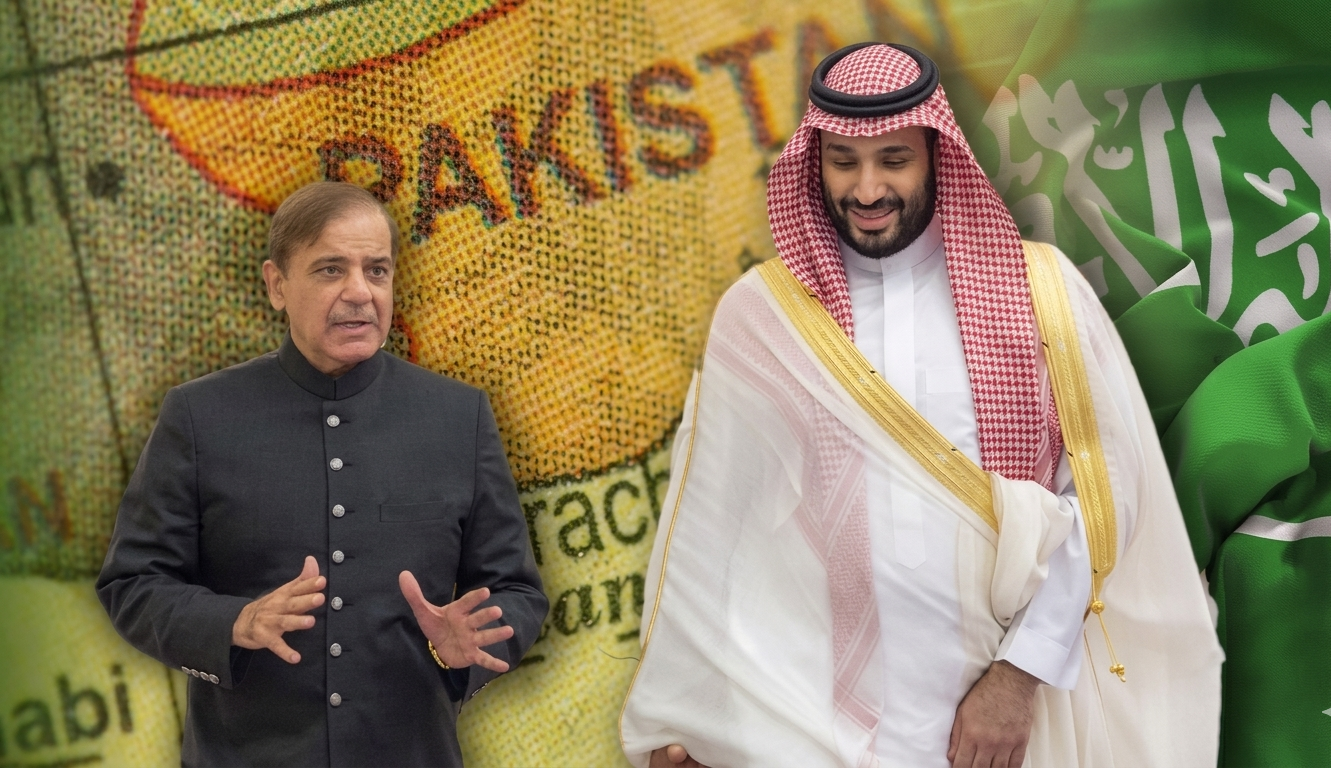
The State Bank of Pakistan (SBP) has officially confirmed the arrival of a $2 billion lifeline from the Kingdom of Saudi Arabia. This timely injection of capital serves as a critical buffer as the nation navigates a high-pressure month of international debt obligations, providing much-needed stability to the country’s foreign exchange reserves.
The funds, credited on April 15, 2026, represent just the beginning of a larger financial partnership. Riyadh has reportedly pledged an additional $3 billion in upcoming deposits and has agreed to a structural shift in its support. Moving away from the traditional annual renewal system, Saudi Arabia has committed to extending its existing $5 billion deposit on a longer-term basis, offering Pakistan more predictable fiscal security.
Navigating a Month of Financial Hurdles
The urgency of this "rescue" deposit cannot be overstated, as Pakistan is currently managing three major financial pressures simultaneously:
-
UAE Repayments: Pakistan is facing a $3.5 billion debt maturity to the United Arab Emirates this month. Unlike previous years, the UAE has opted not to "roll over" or extend these loans, making immediate liquidity essential.
-
Eurobond Obligations: Earlier this month, Pakistan successfully settled a $1.43 billion Eurobond payment. While this move protected the nation’s international credit rating, it significantly thinned out dollar reserves.
-
IMF Compliance: Maintaining a specific level of foreign reserves is a non-negotiable requirement of the ongoing IMF program. The Saudi deposit prevents reserves from falling into a "danger zone" following the massive outflows to the UAE.
Stabilizing the National Economy
Finance Minister Muhammad Aurangzeb has reiterated the government’s ambition to build reserves to $18 billion by June. This fresh support from Riyadh does more than just pay the bills; it stabilizes the Pakistani Rupee and strengthens the government’s hand in future negotiations for long-term IMF programs. By securing this breathing room, the administration can focus on broader economic reforms without the immediate threat of a liquidity crisis.