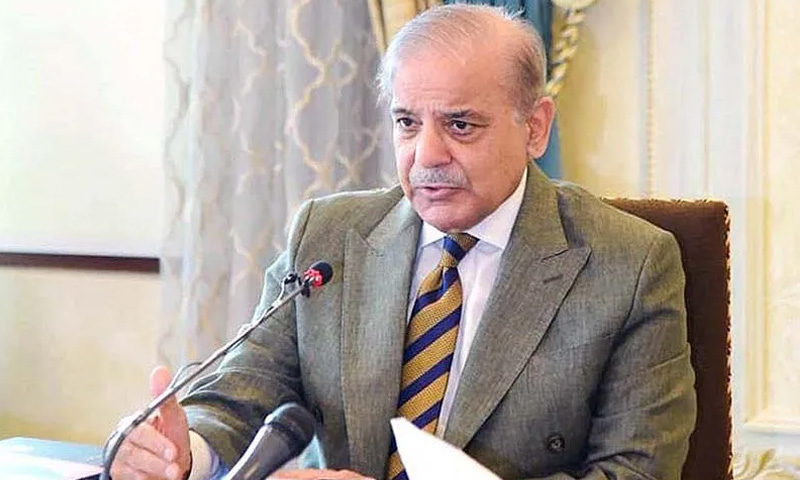
Prime Minister Shehbaz Sharif confirmed on Sunday that Pakistan maintains sufficient petroleum reserves to meet national demand. Despite the supply chain volatility caused by the ongoing US-Israel-Iran conflict, the PM credited "timely government intervention" and rigorous monitoring for preventing the fuel shortages currently plaguing other import-dependent nations.
To further safeguard the economy, the Prime Minister urged the public to limit unnecessary travel and encouraged businesses to shift toward teleconferencing to reduce national fuel consumption.
Strategic Austerity and Price Stabilization
The global surge in oil prices, largely driven by the Strait of Hormuz crisis, has placed immense pressure on Pakistan’s external accounts. In response, the government has implemented a strict austerity regime:
-
Budgetary Reallocation: Rs 125 billion has been diverted from development spending to subsidize fuel costs and prevent more aggressive price hikes.
-
Cost Absorption: While petroleum prices rose earlier this month, the government absorbed a significant portion of the international price increase to protect consumers.
-
Infrastructure Monitoring: A real-time digital dashboard is now being used to track the entire supply chain, with import arrangements for April already finalized to ensure zero disruptions.
Targeted Relief for Low-Income Groups
Recognizing the impact of inflation on the most vulnerable, the Prime Minister announced a transition toward a digitized, targeted subsidy framework:
-
Mobile App Integration: A new application-based program is being developed to provide fuel relief specifically to motorcycle and rickshaw drivers.
-
Vehicle Registration Drive: Provincial governments have been directed to help small-vehicle owners register their transport in their own names to ensure they are eligible for these digital subsidies.
-
Uniform Implementation: Authorities are coordinating with Chief Secretaries across all provinces, including AJK and Gilgit-Baltistan, to ensure conservation measures are applied consistently nationwide.
Impact of the Global Crisis
The Prime Minister emphasized that while many countries are currently facing long queues and fuel dry-outs, Pakistan’s proactive import strategy has kept pumps running. However, he warned that the "inflationary spillovers" of the Middle East conflict require continued vigilance and a national commitment to energy efficiency.