Following the closure of the Strait of Hormuz amid escalating regional tensions, Pakistan’s Port Qasim Authority (PQA) has reported a record-breaking surge in maritime activity, positioning the facility as a vital alternative for international shipping lines. In March 2026 alone, the port handled a historic 450,000 tonnes of petroleum fuel across 17 vessels, sourced from diverse global hubs including Oman, Iraq, and Singapore.
This spike in volume was managed without significant congestion, thanks to the recent implementation of night navigation for LPG ships and the modernization of dedicated terminals. Of the total fuel handled, 417,000 tonnes consisted of petroleum products, while 33,000 tonnes were dedicated to LPG, ensuring a steady and uninterrupted energy supply for Pakistan despite the volatility of the Persian Gulf.
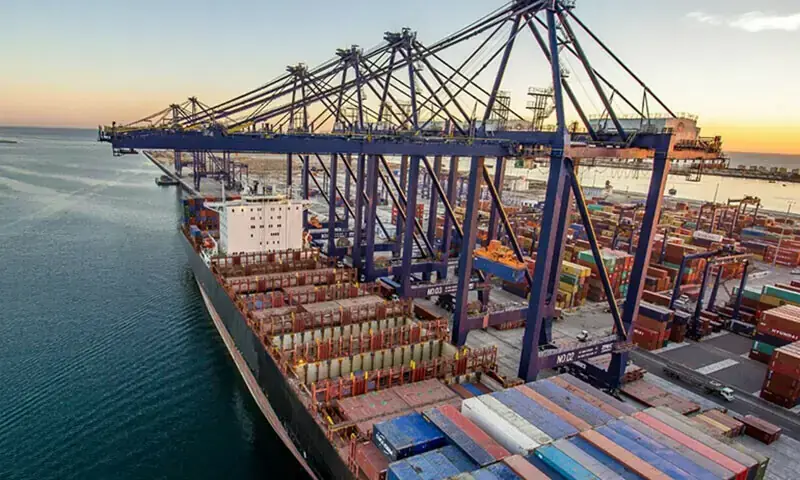
Beyond energy security, the shift in regional shipping routes has catalyzed a boost in transshipment operations at the Qasim International Container Terminal (QICT). The facility successfully processed 3,485 TEUs (twenty-foot equivalent units) across two vessels, reflecting a broader trend of shipping lines rerouting toward Pakistani waters to bypass conflict zones.
These operational successes, supported by a rise in bunkering activities and efficient cargo handling, underscore Port Qasim’s growing strategic importance in the South Asian maritime landscape.
As the war in the Gulf continues to disrupt traditional trade paths, Pakistan’s proactive infrastructure upgrades have enabled the country to maintain economic stability and serve as a reliable corridor for international maritime commerce.