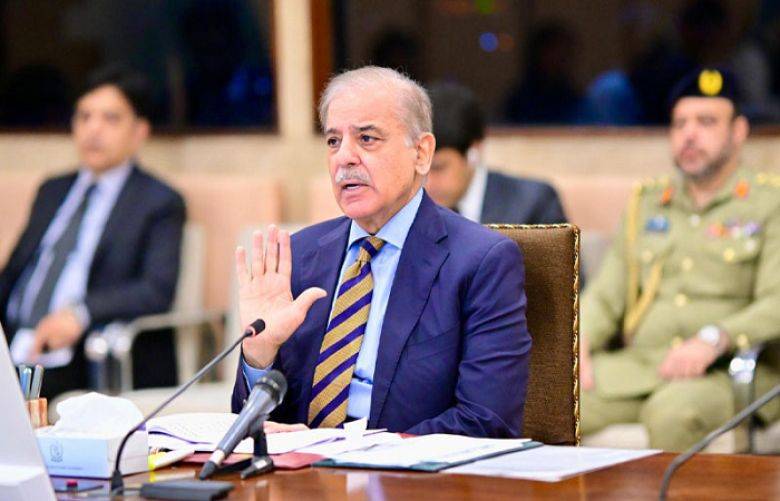
In a high-level review on Thursday, Prime Minister Shehbaz Sharif was briefed on a sweeping legislative and financial overhaul of the housing sector. The reforms are designed to transform the construction industry into a primary driver of national GDP, focusing on three core pillars: foreign direct investment (FDI), accessible mortgage financing, and mass employment generation.
Government officials confirmed that legal reforms are in their final stages, clearing the way for a more robust and transparent real estate ecosystem.
The Financial Pivot: Building a Mortgage Ecosystem
A central component of the strategy is the creation of a comprehensive mortgage financing framework. To bridge the gap between ordinary citizens and homeownership, the government is moving toward:
-
Bank-Led Targets: Financial institutions will soon be assigned specific quotas to expand housing credit, ensuring that liquidity reaches the average borrower.
-
Developer-Led Financing: A new model is being developed to allow builders to secure direct project financing, easing the capital constraints that often stall large-scale developments.
-
Low-Cost Loan Schemes: Targeted interest rate subsidies are being finalized to make "affordable housing" a reality for low-income groups rather than just a policy buzzword.
Attracting Global Capital
The Prime Minister emphasized that "a home is the right of every citizen," but acknowledged that achieving this requires external capital. The government is specifically courting:
-
Overseas Pakistanis: Proposing tax-incentivized property plans (pending IMF alignment) to channel remittances into brick-and-mortar assets.
-
Foreign Institutional Investors: Offering sovereign-backed protections to ensure that international firms can invest in Pakistani infrastructure with minimal regulatory risk.
The "Multiplier Effect" on Jobs
Beyond providing shelter, the Prime Minister’s Office views the construction boom as a "job-creating machine." By stimulating the housing market, the government aims to trigger a chain reaction across 40+ allied industries from steel and cement to interior finishing and logistics creating thousands of technical and manual labor roles.
The Bottom Line
The Prime Minister has directed all stakeholders to finalize these reforms immediately. The goal is to move from the "proposal phase" to "groundbreaking" by ensuring that the legal protections for investors are as solid as the buildings they are expected to fund.