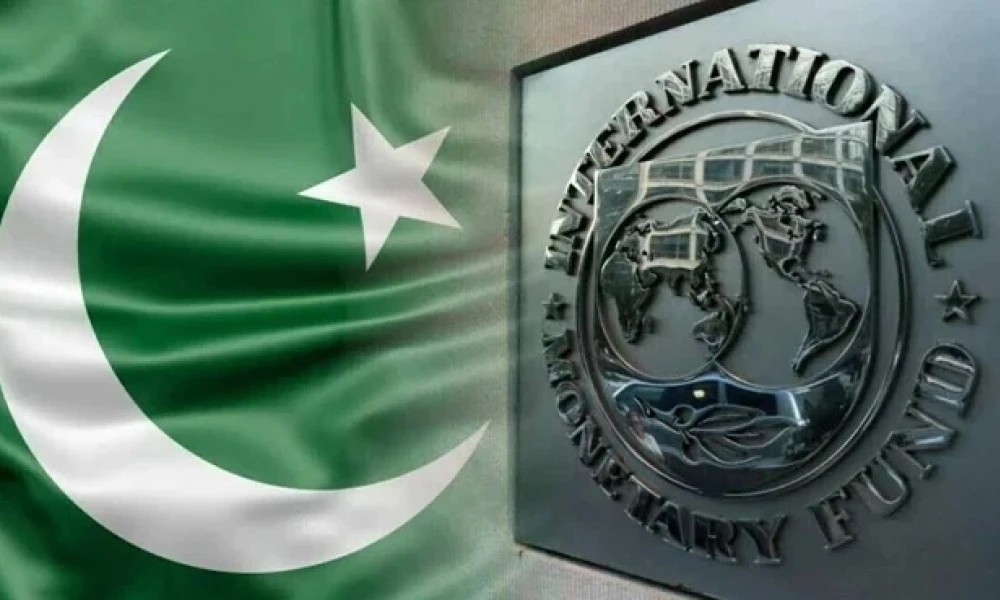
The International Monetary Fund (IMF) has intensified pressure on Islamabad to eliminate "petroleum pricing distortions," even as it tacitly allows a PKR 152 billion subsidy cap previously negotiated to shield consumers from the global energy shock. This friction comes as a direct consequence of the ongoing conflict in the Middle East and the intermittent closure of the Strait of Hormuz, which have sent international oil prices into a tailspin.
While a staff-level agreement (SLA) reached on March 29 remains in effect, senior officials confirmed that the Fund is pushing for an early removal of cross-subsidies specifically the practice of using high petrol levies to offset losses on diesel.
The Diesel Dilemma and Vanishing "Cushions"
The primary point of contention lies in the Petroleum Development Levy (PDL). To keep the economy moving, the government has made significant adjustments:
-
The Diesel Gap: The PDL on diesel is currently at zero, a sharp contrast to the PKR 80 per litre target set in the original budget.
-
The Petrol Offset: To cover the diesel shortfall, the government had been maintaining higher rates on petrol. However, this "financial cushion" was significantly reduced after the Prime Minister slashed petrol prices by PKR 80 per litre last Friday.
-
The Harvest Factor: With the agriculture sector entering peak harvest season, diesel demand is expected to surge, further straining the government’s ability to maintain the current price freeze.
Financial Realities: Claims and Transits
Finance Minister Muhammad Aurangzeb is expected to present a plan for "provincial rationalization" where provinces help foot the subsidy bill—during the upcoming IMF and World Bank spring meetings.
Current Logistics & Liquidity:
-
Debt to Industry: Price Differential Claims (PDCs) from oil companies have surpassed PKR 129 billion. The government has begun payments but is retaining 10% pending a third-party audit by PricewaterhouseCoopers.
-
Strategic Stocks: Pakistan currently holds a 26-day supply of petrol and a 20-day supply of diesel. While transit cargoes are moving, the overall balance of payments remains a "growing concern" for the Treasury.
-
The Hormuz Passage: Despite the regional conflict, Iran has allowed 20 Pakistan-flagged vessels to navigate the Strait of Hormuz, though a long-awaited revival of diesel imports from Kuwait has yet to materialize.
Looking Toward Budget 2026–27
While the IMF acknowledges that current fiscal indicators are broadly on track, officials warn that "significant adjustments" are inevitable. The macroeconomic framework for the 2026–27 federal budget will require a total overhaul to align with the Fund’s demand for a market-based pricing mechanism that eliminates state-funded relief.
The Verdict: The government is caught in a pincer move between the IMF’s strict "no-subsidy" stance and a domestic public reeling from the economic fallout of the regional war.