Gold prices took a hit on Monday as hopes for a diplomatic breakthrough in the Middle East withered. The rejection of peace proposals by the U.S. administration has sent oil prices surging, reigniting fears that persistent inflation will force central banks to maintain aggressive interest rate hikes for a longer duration.
Diplomatic Deadlock Drives Market Volatility
Market sentiment soured after U.S. President Donald Trump dismissed Iran’s latest response to a peace framework. The ongoing 10-week conflict continues to choke maritime traffic in the Strait of Hormuz, a critical chokepoint for global energy.
-
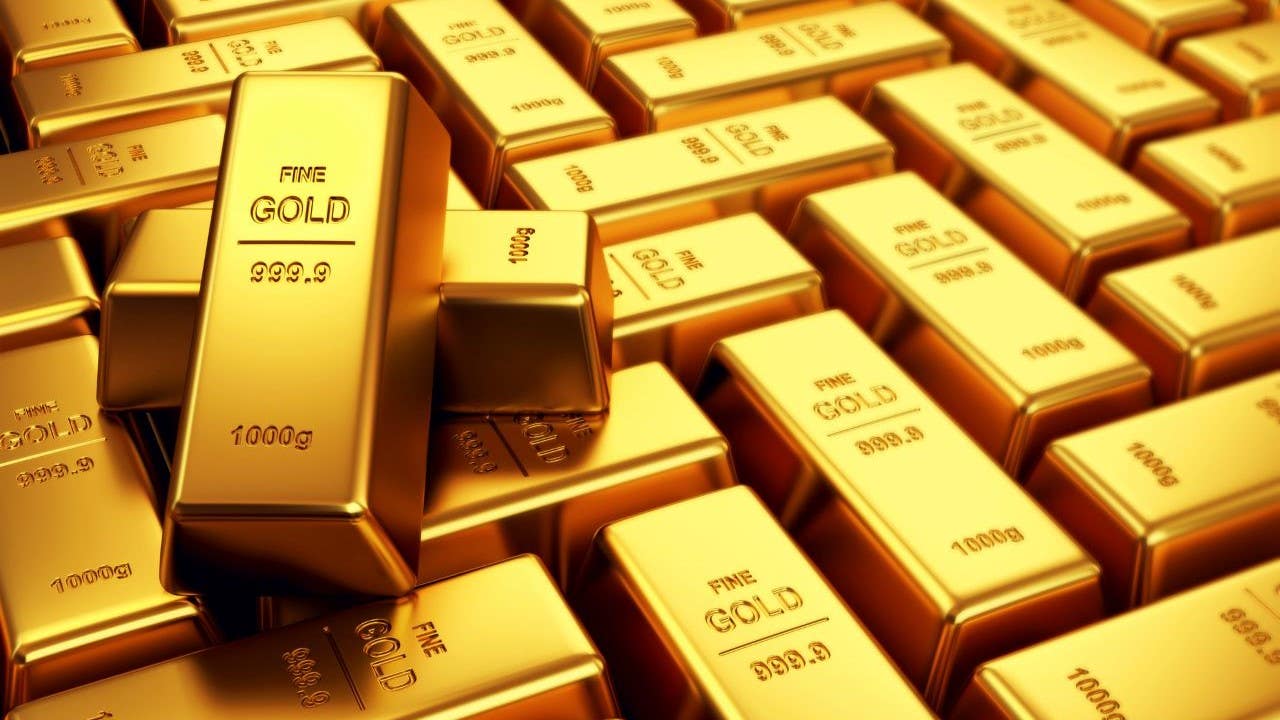
Spot Gold: Dropped 0.8% to $4,676.02 per ounce.
-
Gold Futures: June delivery contracts fell 1% to $4,684.50.
-
Oil Surge: Brent crude jumped 4%, hitting $105 a barrel.
The "Higher for Longer" Interest Rate Threat
While gold is a traditional inflation hedge, it currently faces a dual threat. Rising oil prices suggest inflation will remain sticky, which in turn strengthens the U.S. Dollar and keeps bond yields high both of which make non-yielding gold less attractive to investors.
"We are seeing an unwinding of previous optimism," noted Tim Waterer, chief market analyst at KCM Trade. "Gold is feeling the pinch as crude prices rally, suggesting that the Federal Reserve may have to keep rates elevated."
Revised Economic Outlook
The ripple effects of the conflict are reshaping global forecasts:
-
Fed Rate Cuts: Goldman Sachs has pushed back its expectation for Federal Reserve rate cuts to late 2026 and early 2027, a significant delay from earlier projections of a September start.
-
Federal Reserve Concerns: A recent semi-annual report identified the war with Iran and its impact on energy supplies as the primary risk to global financial stability.
-
Production Slump: Supply-side pressures are also mounting; the China Gold Association reported a decline in Q1 2026 production due to mandatory safety inspections and smelter maintenance.
Technical Outlook
Analysts expect gold to remain range-bound between $4,400 and $4,800 per ounce as long as the "ceasefire-without-peace" stalemate continues. Investors are now pivoting toward the upcoming April Consumer Price Index (CPI) data for more definitive clues on the trajectory of U.S. monetary policy.
In other precious metals, silver edged up 0.3% to $80.57, while platinum and palladium both saw declines of over 1%.