Menu

Investing

AJK Approves PKR 35 Billion Development Boost for Infrastructure and IT
The Azad Jammu and Kashmir government has approved 44 development projects worth PKR 34.85 billion to modernize regional infrastructure and improve public services. Chaired by Prime Minister Raja Faisal Mumtaz Rathore, the initiative prioritizes the expansion of road networks and link roads to better connect remote areas with urban centers. Additionally, the plan emphasizes human capital through the establishment of IT excellence centers for youth, alongside significant upgrades to healthcare facilities and educational infrastructure to raise living standards across the region.
Read more
CDA Appoints Creative Consultants to Transform Islamabad into a Tourism Hub
The Capital Development Authority has approved the hiring of creative consultants, acting as "city curators," to overhaul Islamabad’s urban design and establish the city as a cultural and tourism hub. Chaired by Sohail Ashraf, the initiative focuses on upgrading parks, public spaces, and green belts to enhance the city's aesthetic appeal and quality of life. This strategic move aims to modernize the capital’s identity, making it a more attractive destination for visitors while improving public infrastructure for residents.
Read more
$250M World Bank Deal to Shield KP from '1-in-100 Year' Floods
To bolster Khyber Pakhtunkhwa’s defenses against intensifying climate threats, the World Bank is set to approve a $250 million IDA-funded project this June. The initiative transitions from reactive disaster management to long-term resilience, allocating $193 million to climate-hardened infrastructure such as embankments and check dams engineered to withstand 1-in-100-year flood events. Beyond physical barriers, the funding will overhaul early warning systems and community preparedness to mitigate the recurring economic toll, which has cost the province an estimated $2.3 billion in cumulative damages over the last 15 years.
Read more
Rising Crude Prices Threaten Pakistan with $9 Billion Import Bill Surge
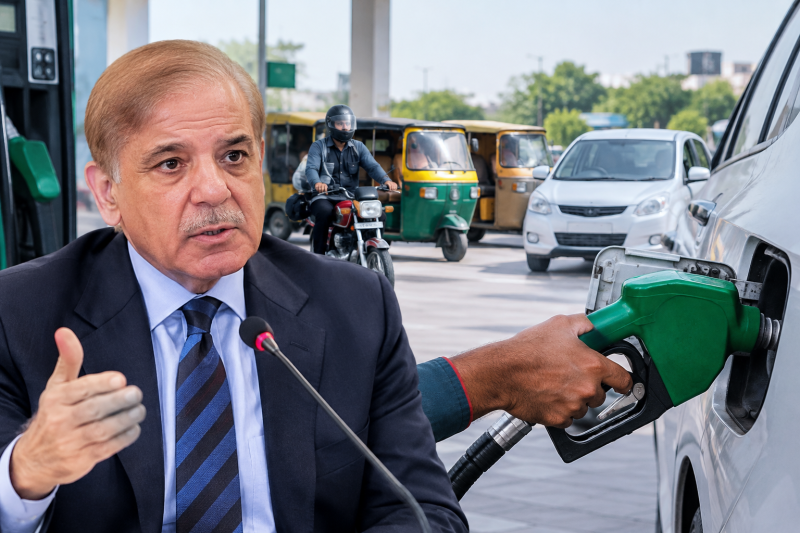
Driven by intensifying Middle East conflicts and Russia’s halt on gasoline exports, Pakistan faces a potential $8–9 billion surge in its annual import bill as landed crude costs soar toward $145 per barrel. This sudden price doubling up from $70 in February 2026 has nearly exhausted the government's Rs158 billion relief fund, leaving policymakers with the narrow choice of either passing massive costs to consumers or enforcing aggressive demand management. To stabilize the economy, the federal government is now weighing a tiered "digital subsidy" model to protect low-income commuters (motorcycles and rickshaws) while preparing for fuel rationing and potential fiscal contributions from provincial budgets to prevent a total depletion of foreign exchange reserves.
Read more
PM Accelerates Housing Reforms to Unlock Investment and Jobs
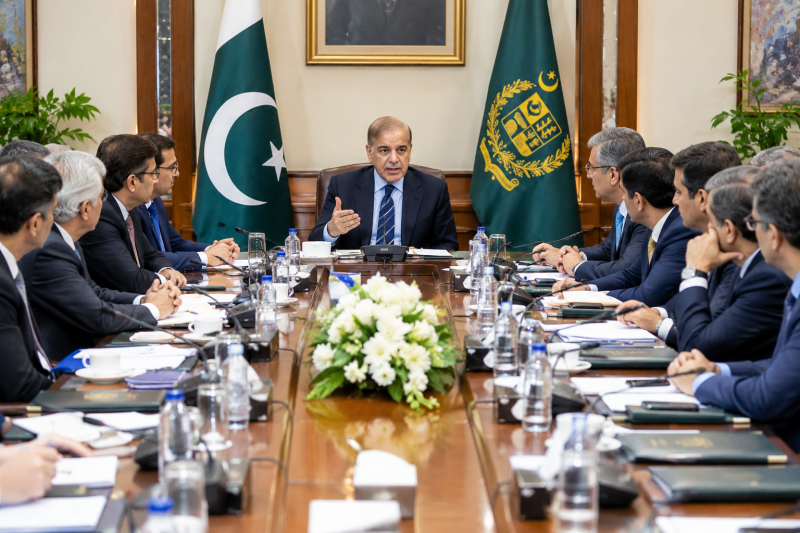
Prime Minister Shehbaz Sharif has launched a comprehensive legislative and financial overhaul of the housing sector, positioning construction as a primary engine for national economic growth and job creation. The reforms focus on establishing a robust mortgage ecosystem including bank-led credit targets and developer-led financing models to make homeownership accessible for low-income citizens and the middle class. By finalizing tax-incentivized property plans and offering sovereign-backed protections, the government aims to tap into significant investment from overseas Pakistanis and foreign institutional investors, ultimately triggering a multiplier effect across forty allied industries to stimulate large-scale employment.
Read more
Pakistan Unveils Tax-Free Property ‘Safe Haven’ for Expats
The federal government has unveiled a strategic tax-free real estate package designed to attract dollar-denominated investment from overseas Pakistanis amid rising Middle East instability. Currently awaiting IMF approval, the plan aims to formalize property markets by offering full tax immunity to filers, utilizing escrow accounts to prevent fraud, and introducing Real Estate Investment Trusts (REITs) for transparent, large-scale commercial projects. By positioning Pakistan as a secure alternative for expatriate capital, the government hopes to bolster foreign exchange reserves and stimulate urban development through dedicated Special Investment Zones, with an official launch expected next month.
Read more
IHC Rules Property Sale Gains Must Be Taxed as Capital Gains
The Islamabad High Court has ruled that gains from the sale of immovable property must be taxed as capital gains under Section 37(1A) of the Income Tax Ordinance, 2001, effectively barring tax authorities from reclassifying such profits as business income under Section 18. Setting aside a previous tribunal decision, the IHC emphasized that specific laws governing real estate disposals hold precedence over general business tax provisions, regardless of the taxpayer's level of activity in the sector. This judgment provides significant clarity for individual taxpayers, ensuring their property transactions are protected from the higher tax implications often associated with business income classifications.
Read more
Islamabad Approves Landmark Regulatory Framework for Structured Slum Upgrading
Islamabad has officially greenlit a new regulatory framework for the structured upgrading of its slums, prioritizing the integration of informal settlements into the city's formal urban grid. Moving away from traditional demolition and relocation strategies, the "Slum Upgrade Rules" establish legal standards for improving essential infrastructure—including roads, water, and sanitation—while defining the responsibilities of both state and private partners. This initiative represents a major step in addressing affordable housing challenges and ensuring that marginalized communities are included in the federal capital’s modernization and development plans.
Read more
Gold Prices Tumble Below Rs450k as Global Geopolitics Shift
Gold prices in Pakistan experienced a historic crash on Monday, plummeting by Rs43,600 to settle at Rs447,762 per tola, marking one of the steepest single-day declines on record. This massive correction was triggered by a shift in global market sentiment after U.S. President Donald Trump announced a five-day postponement of planned military strikes against Iranian energy infrastructure, citing productive diplomatic talks. The resulting de-escalation of geopolitical tensions caused a sharp sell-off in safe-haven assets, with international spot gold diving as low as $4,097 per ounce before a slight recovery. Analysts suggest that while this cooling of "war premiums" and lower oil prices have provided immediate relief to the local market, the situation remains highly volatile, with the $4,000 international threshold serving as a critical support level for future price movements.
Read more