Menu

Buying & Selling

Trump Signals "Very Quick" End to Iran War, Steering Oil Prices Down
Oil prices dipped on Wednesday as investors reacted to optimistic remarks from US President Donald Trump, who claimed the war with Iran would end "very quickly," a sentiment reinforced by Vice President JD Vance’s reports of diplomatic progress. However, the market's downward move remained capped by ongoing volatility and deep-seated supply anxieties, as the conflict has effectively shuttered the Strait of Hormuz choking off roughly one-fifth of global oil supplies. With major institutions like Citi warning that the market is underpricing the risk of a prolonged disruption and US crude inventories projected to fall for a fifth straight week, analysts emphasize that oil prices are likely to remain elevated even if a tentative peace agreement is reached.
Read more
Gold Retreats as Stalled U.S.–Iran Peace Talks Spark Inflation and Interest Rate Fears
Gold prices retreated on Monday as a stalemate in U.S.–Iran peace negotiations triggered a sharp rally in crude oil, which jumped roughly 4% to $105 a barrel. This failure to reach a resolution, highlighted by U.S. President Donald Trump's rejection of Iran’s latest proposal, has intensified fears of persistent, energy-driven inflation. Consequently, investors are bracing for "higher for longer" interest rates, with Goldman Sachs pushing back its projected Federal Reserve rate cuts to late 2026 and 2027. The resulting strength in the U.S. dollar and elevated bond yields have pressured bullion, while supply-side constraints, such as a 7.08% decline in China’s domestic gold production during the first quarter of 2026, provide an additional macroeconomic backdrop to the metal's current volatility.
Read more
Maritime Ministry Announces Major Relief Package for Karachi Port Exporters
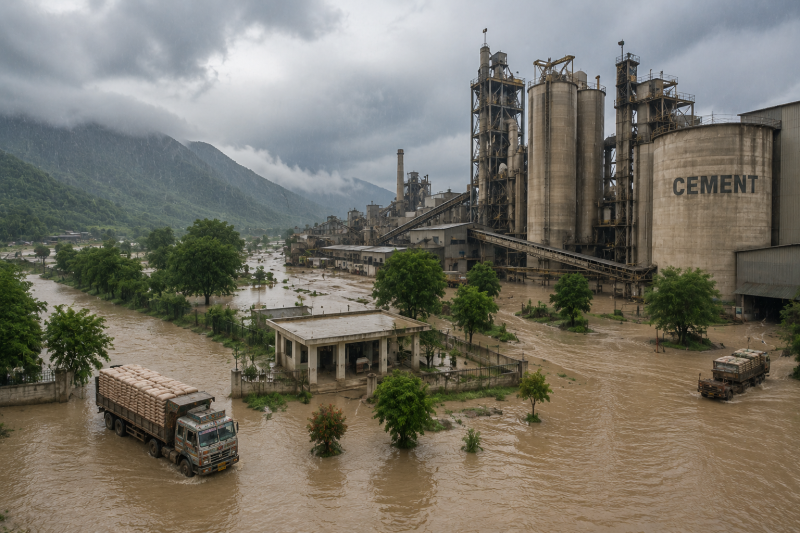
Federal Minister for Maritime Affairs Muhammad Junaid Anwar Chaudhry has announced storage charge waivers of 25% to 50% at Karachi Port Trust (KPT) terminals to assist exporters affected by recent shipping disruptions to the Gulf. The relief, coordinated by KPT Chairman retired Rear Admiral Shahid Ahmed, applies to stranded export containers at the KGTL, KICT, and SAPT terminals during specific windows in March 2026. This initiative aims to reduce financial pressure on the trade sector, clear cargo backlogs, and improve port efficiency as part of a broader strategy to boost Pakistan's economic stability and export competitiveness.
Read more
Kitchen Budgets Under Strain as Essential Commodity Prices Surge
A recent market survey by Business Recorder reveals a sharp spike in the cost of essential kitchen commodities, leaving consumers struggling as prices for meat, vegetables, and grains reach record highs. While poultry and beef prices remain steep—with mutton hitting up to Rs 3,000 per kg—the produce market has seen significant volatility, notably with onions and ginger seeing substantial markups. Despite minor stabilizations in sugar and flour prices, public frustration is mounting over the perceived lack of government oversight regarding artificial price hikes by vendors. This inflationary trend has also trickled down to the service sector, with local eateries and bakeries raising prices on cooked food and bread, further squeezing the budgets of average households.
Read more
Iran Permits 20 More Pakistani Ships Through Strait of Hormuz
In a significant diplomatic breakthrough, Iran has agreed to permit 20 additional Pakistani-flagged vessels to transit the strategically vital Strait of Hormuz, implementing a structured schedule of two ships per day. Deputy Prime Minister and Foreign Minister Ishaq Dar hailed the move as a "constructive and peace-oriented gesture" that underscores the strengthening bilateral cooperation between Islamabad and Tehran. This arrangement serves as a crucial confidence-building measure, ensuring the uninterrupted flow of trade and stabilizing essential energy corridors during a period of heightened regional tension. By securing this organized transit plan, both nations have reinforced their commitment to maritime security and the protection of global supply chains.
Read more
Port Qasim Hits Record Fuel Handling Amid Gulf Crisis
Following the closure of the Strait of Hormuz, Port Qasim has seen a record spike in activity, handling 450,000 tonnes of petroleum and LPG in March 2026 alone. Despite the ongoing regional conflict, Pakistan’s sea-based fuel supply remains stable, aided by the implementation of night navigation and modernized terminal systems that have prevented congestion. This shift has also boosted transshipment volumes, as international shipping lines increasingly reroute toward Pakistan to bypass the volatile Persian Gulf.
Read more
Pakistan Unveils Tax-Free Property ‘Safe Haven’ for Expats
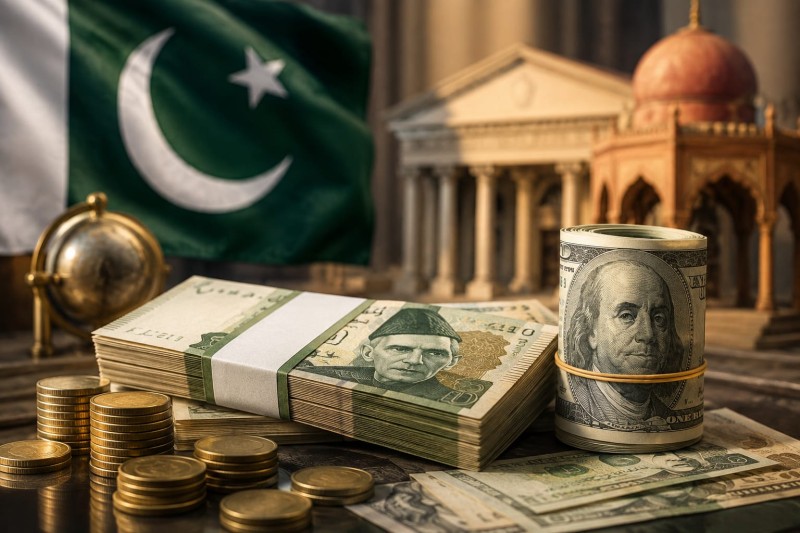
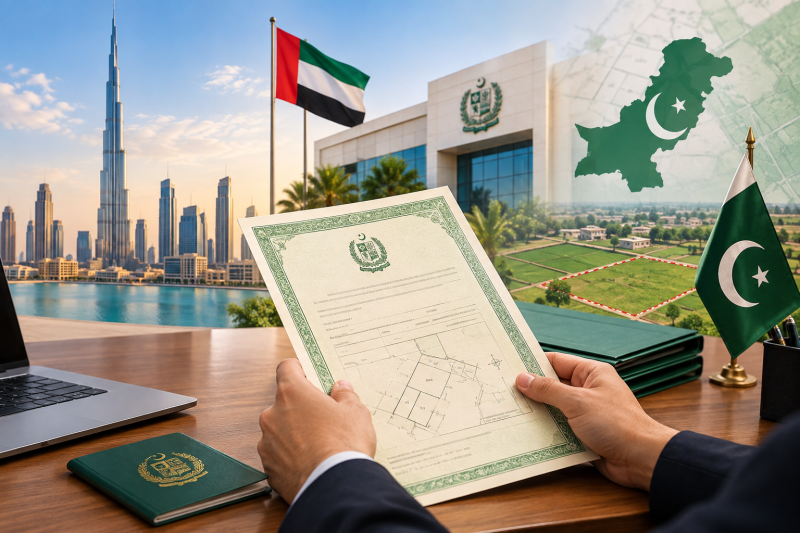
The federal government has unveiled a strategic tax-free real estate package designed to attract dollar-denominated investment from overseas Pakistanis amid rising Middle East instability. Currently awaiting IMF approval, the plan aims to formalize property markets by offering full tax immunity to filers, utilizing escrow accounts to prevent fraud, and introducing Real Estate Investment Trusts (REITs) for transparent, large-scale commercial projects. By positioning Pakistan as a secure alternative for expatriate capital, the government hopes to bolster foreign exchange reserves and stimulate urban development through dedicated Special Investment Zones, with an official launch expected next month.
Read more
IHC Rules Property Sale Gains Must Be Taxed as Capital Gains
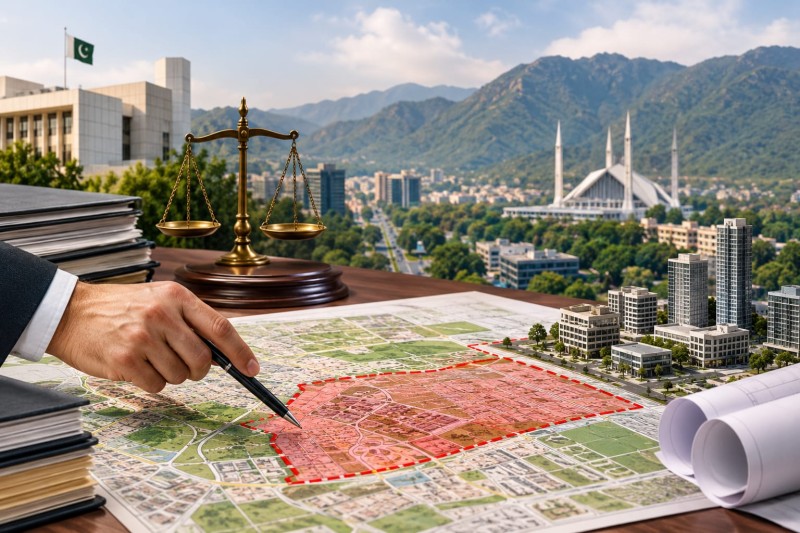
The Islamabad High Court has ruled that gains from the sale of immovable property must be taxed as capital gains under Section 37(1A) of the Income Tax Ordinance, 2001, effectively barring tax authorities from reclassifying such profits as business income under Section 18. Setting aside a previous tribunal decision, the IHC emphasized that specific laws governing real estate disposals hold precedence over general business tax provisions, regardless of the taxpayer's level of activity in the sector. This judgment provides significant clarity for individual taxpayers, ensuring their property transactions are protected from the higher tax implications often associated with business income classifications.
Read more
Islamabad Approves Landmark Regulatory Framework for Structured Slum Upgrading
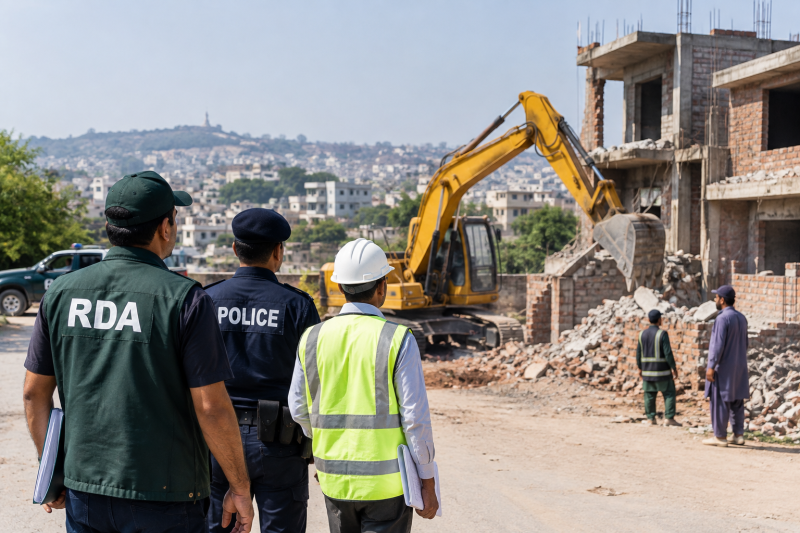
Islamabad has officially greenlit a new regulatory framework for the structured upgrading of its slums, prioritizing the integration of informal settlements into the city's formal urban grid. Moving away from traditional demolition and relocation strategies, the "Slum Upgrade Rules" establish legal standards for improving essential infrastructure—including roads, water, and sanitation—while defining the responsibilities of both state and private partners. This initiative represents a major step in addressing affordable housing challenges and ensuring that marginalized communities are included in the federal capital’s modernization and development plans.
Read more