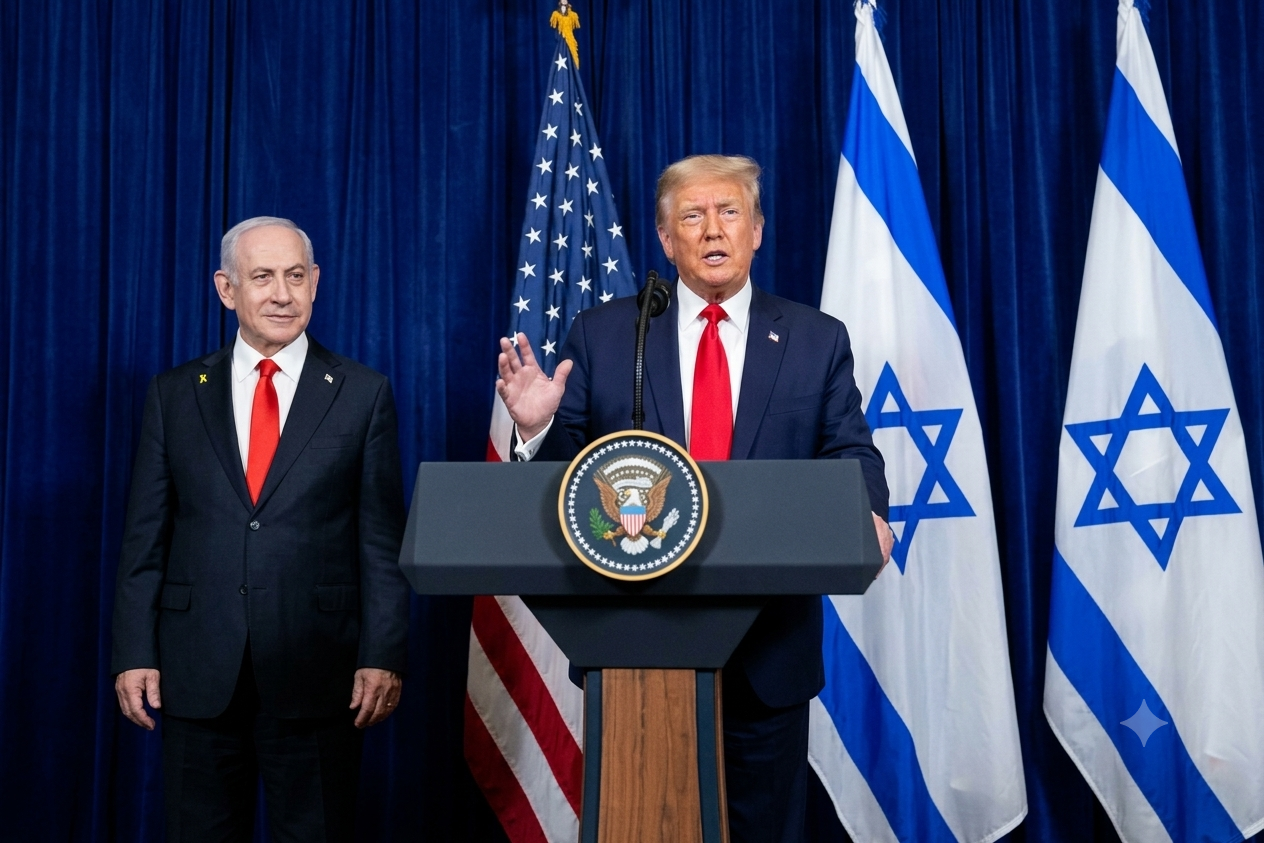
Oil prices edged lower on Wednesday following remarks from US President Donald Trump, who reiterated that the conflict with Iran would conclude "very quickly." Despite the slight retreat, energy markets remain highly volatile as investors weigh the whiplash of diplomatic signals against unprecedented disruptions to Middle East crude supplies.
By early Wednesday, Brent crude futures dipped 45 cents, or 0.4%, to $110.83 a barrel, while US West Texas Intermediate (WTI) futures slipped 27 cents, or 0.3%, to $103.88. Both benchmarks had already shed nearly $1 during the previous session after US Vice President JD Vance noted progress in negotiations, emphasizing that neither Washington nor Tehran desired a return to open military action.
However, market analysts urge caution, pointing to the stark contrast between Washington’s diplomatic optimism and the reality on the ground.
"Investors are trying to gauge whether Washington and Tehran can genuinely find common ground, especially given how rapidly the US stance shifts day by day," noted Toshitaka Tazawa, an analyst at Fujitomi Securities. "Prices are likely to stay elevated. The threat of renewed US strikes remains real, and even if a peace agreement is struck, crude supplies won't return to pre-war levels overnight."
Mixed Signals and Supply Strains
The slight market ease highlights the erratic nature of recent geopolitical commentary. While President Trump assured lawmakers late Tuesday of a swift path to peace, his recent rhetoric has oscillated wildly. Just days ago, he revealed he had come within an hour of launching a fresh offensive before postponing it, later warning that Iran's leaders were "begging for a deal" and that strikes would resume if talks faltered.
Meanwhile, the economic toll of the conflict continues to choke global energy markets. The US-Israeli war with Iran has effectively shuttered the Strait of Hormuz—a vital maritime chokepoint that typically handles roughly 20% of the world's oil supply. The International Energy Agency (IEA) has labeled the situation the most severe oil supply disruption in history.
Wall Street institutions warn that the market may be experiencing a false sense of security. On Tuesday, Citi projected Brent crude could surge to $120 a barrel in the near term, arguing that current energy pricing underestimates both the risk of a prolonged blockade and broader geopolitical tail risks.
Shrinking Global Reserves
With the Strait of Hormuz blocked, nations are increasingly draining their commercial and emergency reserves to patch the global supply deficit.
In the United States, energy stockpiles are shrinking rapidly:
-
Five-Week Decline: Data from the American Petroleum Institute (API) indicates that domestic crude inventories fell for a fifth consecutive week, alongside a drop in fuel stocks.
-
Expected Drawdown: A Reuters poll of analysts forecasts that official Energy Information Administration (EIA) data will show a crude stockpile drop of roughly 3.4 million barrels for the week ending May 15.
The official, closely watched EIA inventory report is scheduled for release later today.