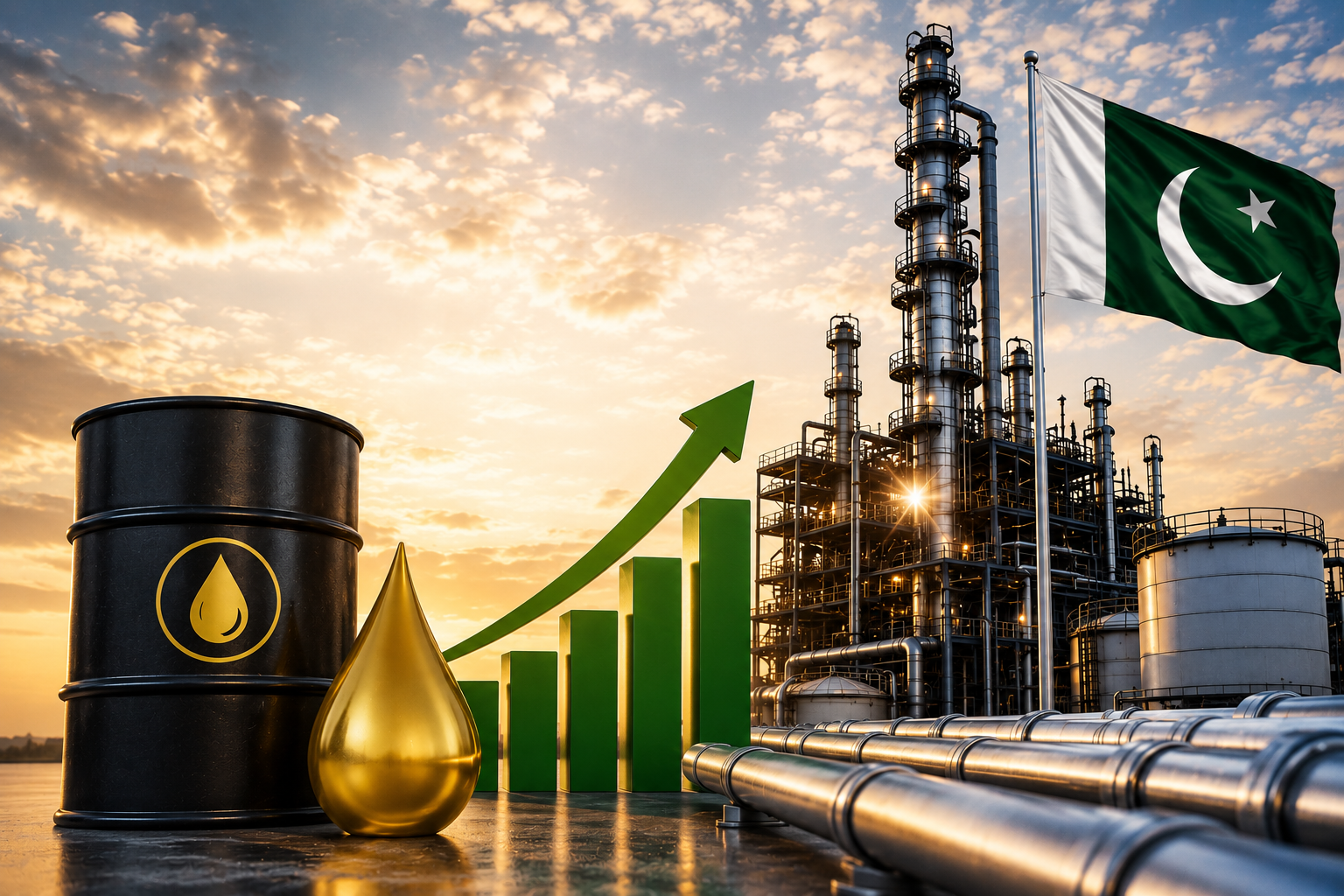
Pakistan has officially approved the Brownfield Refining Policy, ending a six-year delay and paving the way for nearly $6 billion in investments to modernize the country's existing oil refineries. The policy aims to enhance fuel quality, increase petrol and diesel production, reduce furnace oil output, and strengthen Pakistan's long-term energy security.
Key Highlights
- Pakistan has approved the Brownfield Refining Policy to upgrade all five existing oil refineries.
- The policy is expected to attract around $6 billion in refinery modernization investments.
- Existing refineries will produce Euro-V compliant fuels, reducing harmful vehicle emissions.
- Petrol production will increase by 72%, from 10,700 TPD to 18,400 TPD.
- High-Speed Diesel (HSD) production will rise by 39%, reaching 29,520 TPD.
- Furnace oil production will decline by 63%, supporting cleaner and more efficient fuel production.
- The government has introduced investment protection, stability clauses, tax incentives, and foreign currency account facilities for refinery upgrade projects.
- Refineries will receive 10% tariff protection on imported petrol and diesel for seven years.
- Machinery and equipment imported for refinery upgrades will be exempt from sales tax.
- Refineries can export surplus petroleum products after fulfilling domestic demand, subject to OGRA approval.
- Binding agreements between refineries and Oil Marketing Companies (OMCs) will help ensure a stable national fuel supply chain.
- Upgraded refineries will be required to maintain larger crude oil inventories to improve Pakistan's energy security.
- Projects will be monitored through independent auditors and third-party evaluations to ensure timely completion.
- The policy includes legal safeguards against adverse regulatory or fiscal changes that could affect refinery investments.
- Refineries must sign Upgrade Agreements with OGRA within 90 days to qualify for fiscal incentives.
Why This Policy Matters
The Brownfield Refining Policy is expected to reduce Pakistan's dependence on imported refined petroleum products, improve fuel quality to international standards, encourage private investment, strengthen energy infrastructure, and support sustainable economic growth. Cleaner Euro-V fuels will also contribute to lower air pollution and improved environmental performance.