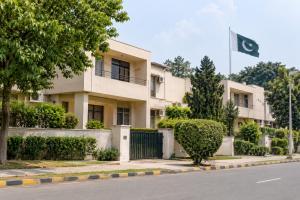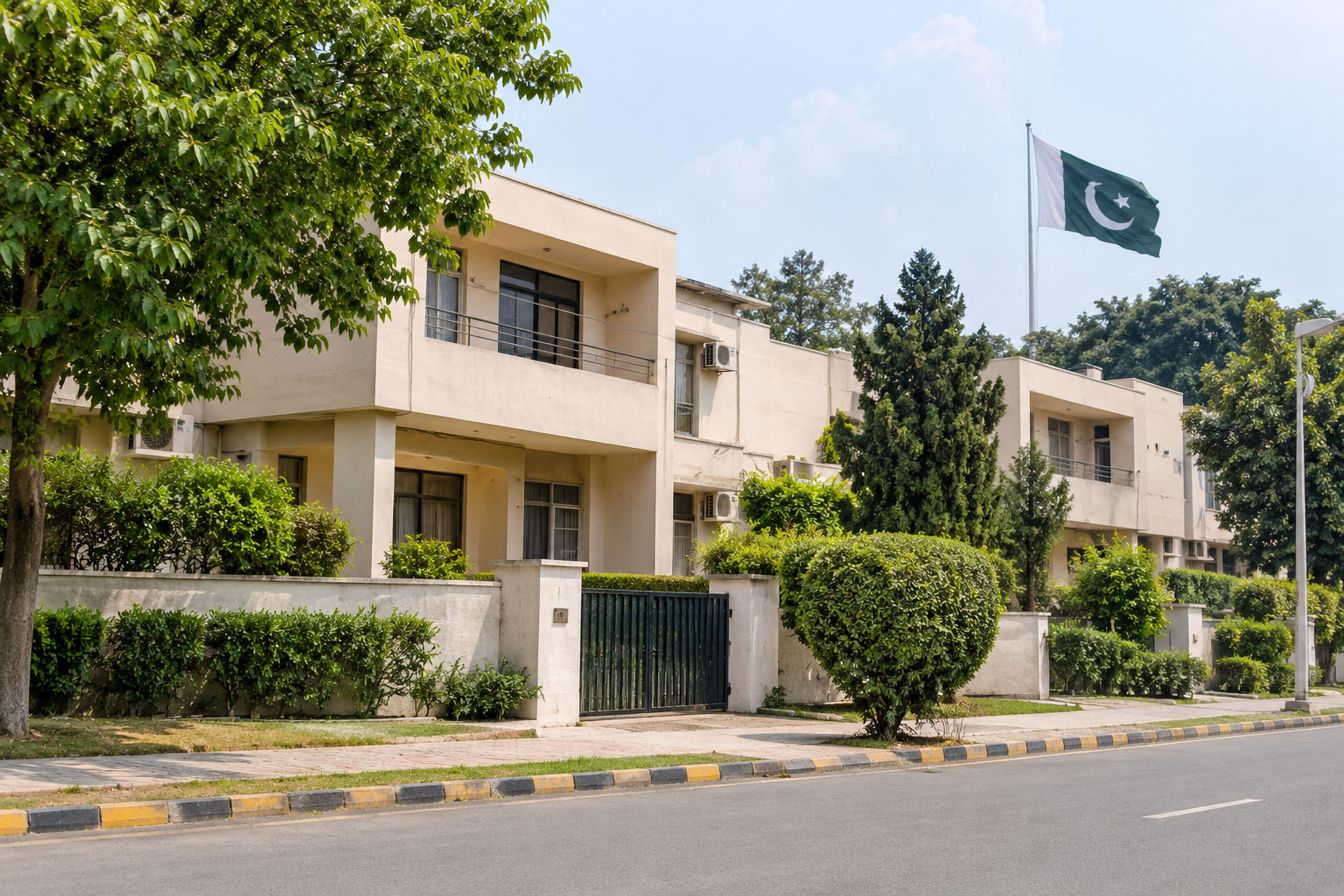
A Special Branch survey has revealed that 1,851 out of 2,441 government houses and flats in Islamabad are either being rented out or occupied by individuals other than their officially designated allottees, highlighting widespread misuse of government accommodation in the federal capital.
Conducted on October 22, 2026, the survey found that approximately 76% of the registered residential units inspected were linked to suspected unauthorised occupation or subletting. The remaining 590 properties were found to be locked, vacant or in other circumstances.
The findings have raised concerns over the distribution of official housing, particularly as approximately 43,000 federal government employees remain on the waiting list for government accommodation.
The misuse of government residences has been a longstanding issue in Islamabad. In 2024, a joint survey conducted by the Estate Office and Intelligence Bureau examined around 4,700 government houses. It identified 313 illegally occupied properties, 193 partially rented-out houses and 1,125 residences with unauthorised construction.
Government accommodation is regulated under the Accommodation Allocation Rules 2002, which define unauthorised occupation and provide grounds for cancelling residential allotments.
Last month, the Senate was informed that more than 2,200 government accommodations had been cancelled due to unauthorised occupation, with the occupants also declared ineligible for future allotments.
The latest findings highlight the growing gap between the availability of government housing and demand from federal employees. With around 43,000 employees still waiting for official residences, the unauthorised rental or occupation of allocated houses has further intensified concerns over the fair distribution of limited housing resources.
Employees who do not receive government accommodation are generally required to arrange private housing, adding pressure to Islamabad's rental market.
The situation also raises concerns for private tenants living in government-owned properties that have been sublet without proper authorisation. If the Estate Office cancels an allotment because of a violation of housing rules, tenants occupying the property through an unofficial rental arrangement may face eviction.
The government has not yet announced a specific action plan following the latest survey. However, previous investigations have resulted in the cancellation of allotments and the recovery of government residences.