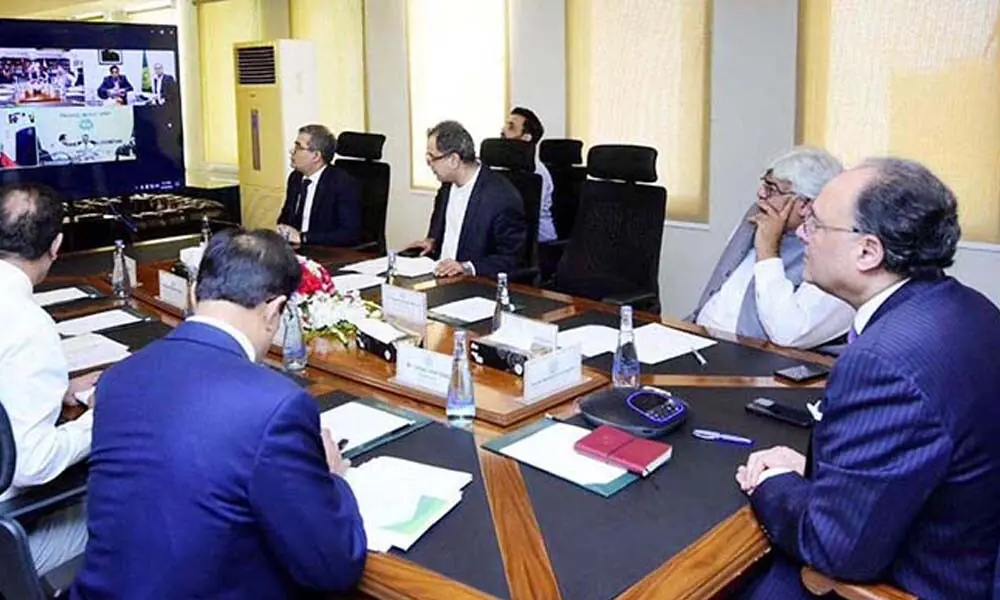
The federal government has directed provincial authorities to mobilize over PKR 400 billion in additional tax revenue for the upcoming fiscal year (FY 2026–27). This aggressive revenue drive is a core condition tied to Pakistan's ongoing International Monetary Fund (IMF) stabilization program.
According to official sources, the fiscal consolidation strategy will heavily target under-taxed segments of the economy, focusing primarily on agriculture, services, and the real estate sectors.
Provincial Breakdown of the Tax Burden
To meet the macro-economic benchmarks set by the lender, the federal government has distributed the provincial revenue targets based on provincial economic scale:
-
Sindh: Tasked with the highest target of approximately PKR 200 billion.
-
Punjab: Assigned a revenue generation target of PKR 175 billion.
-
Khyber Pakhtunkhwa (KP): Required to mobilize PKR 45 billion.
-
Balochistan: Mandated to raise nearly PKR 20 billion.
Officials close to the development revealed that the IMF framework requires the provinces to collectively generate additional revenue equivalent to roughly 0.3% of the country's GDP amounting to approximately PKR 430 billion. The federal government is expected to match this fiscal effort through its own aggressive tax enforcement and new revenue measures.
Enforcement and Data Sharing
In an effort to bridge the enforcement gap, the Federal Board of Revenue (FBR) has started sharing comprehensive income tax and sales tax data with provincial tax authorities to track tax evasion and increase compliance.
Cumulatively, the joint federal and provincial revenue-raising measures for FY27 are projected to cross the PKR 1.1 trillion mark, cushioned further by higher petroleum levy collections and stringent audits.
While provincial revenues are expected to surge primarily driven by the expanded General Sales Tax (GST) on services—the implementation of the agricultural income tax remains a weak link due to long-standing systemic vulnerabilities and low compliance. In response, the center has urged provincial cabinets to coordinate directly with IMF representatives during their budget-making processes to prevent any deviations from the agreed program.