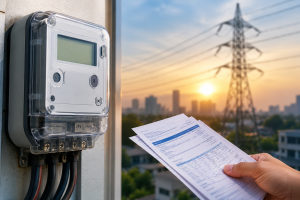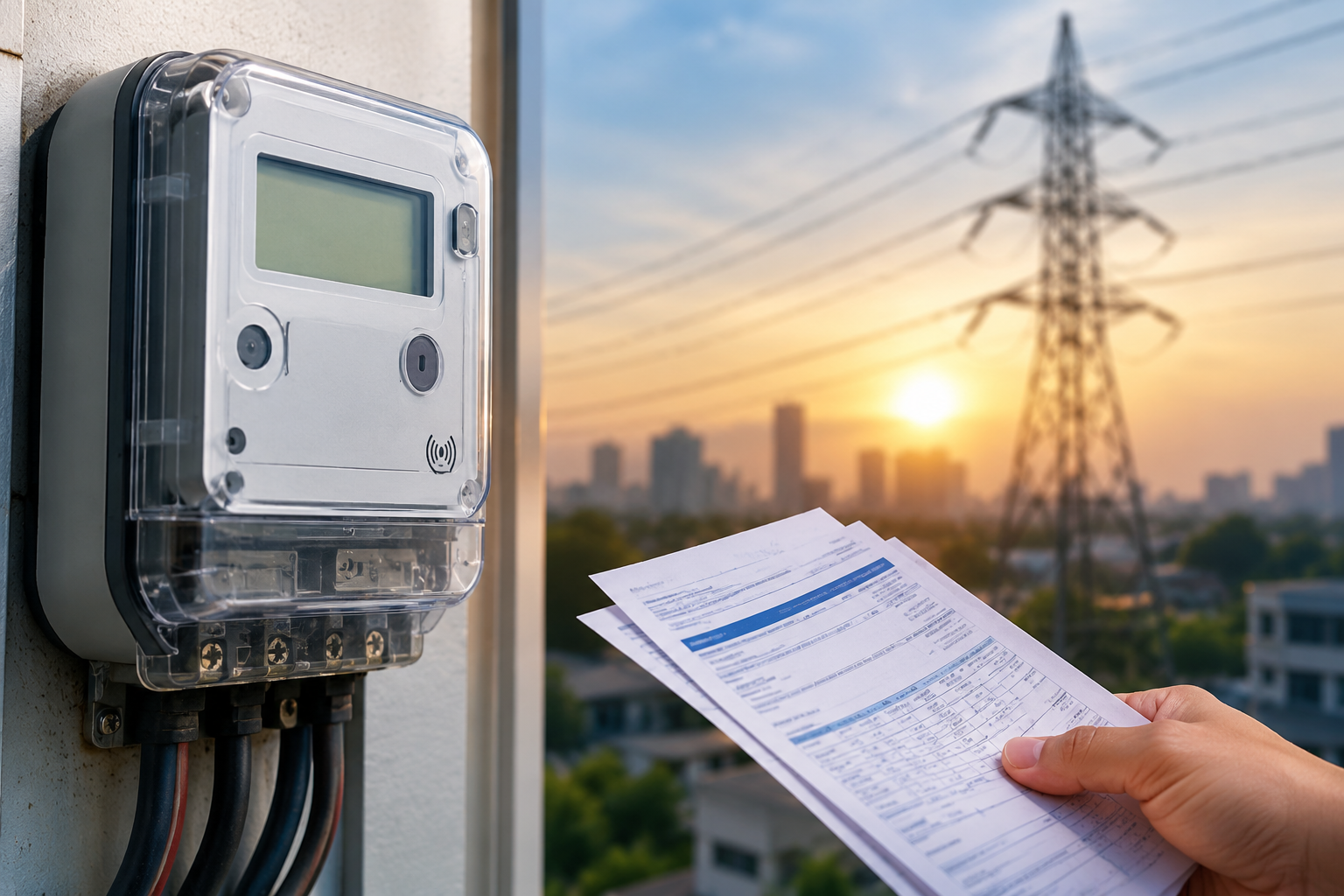
The Private Power and Infrastructure Board (PPIB) has started consultations on a proposed $2.3 billion project to install 16.2 million smart electricity meters across five power distribution companies in Pakistan. However, the plan has raised concerns over its financial impact, with businesses warning that consumers could pay approximately Rs1.4 trillion over 12 years through electricity bills, according to Business Recorder.
The project aims to replace single-phase electricity meters in Lahore Electric Supply Company (LESCO), Multan Electric Power Company (MEPCO), Peshawar Electric Supply Company (PESCO), Quetta Electric Supply Company (QESCO) and Hazara Electric Supply Company (HAZECO). Under the proposed public-private partnership model, installation costs would be recovered from consumers over 12 years.
The Federation of Pakistan Chambers of Commerce and Industry (FPCCI) has opposed the proposed arrangement, arguing that fixed payments could increase the financial burden on consumers without guaranteeing reductions in electricity theft, distribution losses or improvements in bill recovery. Based on illustrative estimates, installing 16.2 million meters at Rs40,000 each would cost Rs648 billion. Financing the project over 12 years at an assumed interest rate of 15% could raise total payments to around Rs1.4 trillion, excluding operating and technology-related expenses.
The FPCCI has also raised concerns about government guarantees, foreign exchange adjustments and provisions that could allow project costs to be passed on to consumers through electricity tariffs. It has called for an independent cost-benefit analysis, transparent disclosure of expenses and safeguards to ensure that payments are linked to measurable improvements in the power distribution system.
During consultations, distribution companies questioned aspects of the process, while participants highlighted cybersecurity risks and concerns about the effectiveness of smart meters in areas affected by widespread electricity theft and unpaid bills. Officials indicated that locally manufactured meters would be prioritised, with international companies allowed to partner with domestic investors.
The government has yet to finalise the technology and procurement arrangements. A pilot project is expected to begin next month, followed by further consultations in Karachi, Lahore and Islamabad. The FPCCI has urged the PPIB to suspend the proposed framework until its financial implications are independently assessed and relevant regulatory proceedings are completed by the National Electric Power Regulatory Authority (NEPRA).