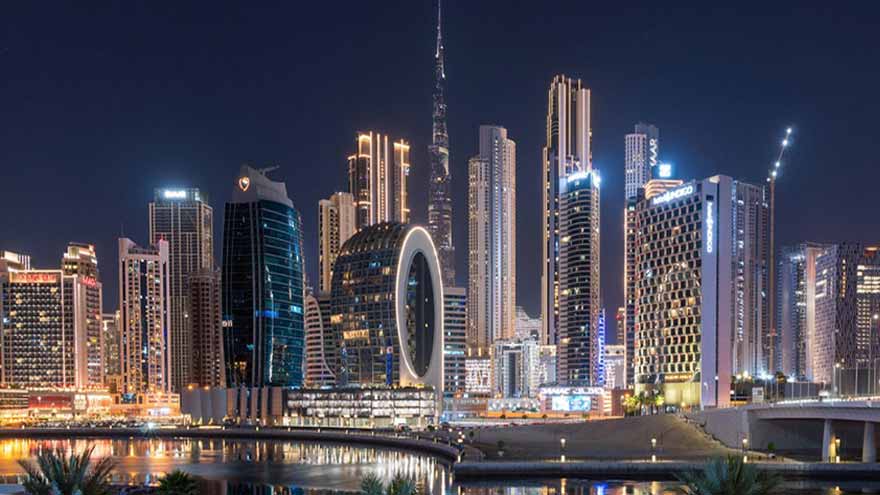
The UAE’s massive real estate boom is confronting a sudden reality check after recent missile strikes disrupted the region’s long-standing reputation as a safe haven. These events have rattled international investors and exposed the vulnerability of a market that relies heavily on foreign capital to maintain its aggressive building pace.
The strikes on critical infrastructure in Dubai and Abu Dhabi have punctured the narrative of regional stability at a time when analysts were already concerned about market overheating. Developers who were previously selling out projects in record time now face a sharply cooling demand environment.
Financial Impact and Funding Freezes
Following the escalation, major real estate stocks plunged, with industry leaders Emaar Properties and Aldar Properties both dropping 5%. More critically, the bond market essential for funding massive construction projects has effectively frozen. International lenders are reportedly shelving capital-raising plans, as the risk premium for UAE property has surged to levels that make new investments difficult to justify.
The "Off-Plan" Vulnerability
A significant portion of the current growth is tied to "off-plan" properties homes that are not yet built. In 2025, these transactions made up 65% of Dubai’s market. With foreign appetite being the decisive factor for this sector, any prolonged uncertainty could stall the pipeline for future developments like Palm Jebel Ali.
Supply and Demand Imbalance
Even before the strikes, experts warned that the pace of construction was exceeding population growth.
-
Overgrowth: JPMorgan recently noted that the expected 300,000 to 400,000 new units by 2028 might not be absorbed by the current population.
-
Rapid Inflation: Property prices in Dubai jumped 60% between 2022 and early 2025, driven by an influx of wealthy migrants attracted by tax incentives and safety.
-
Expat Reliance: With expatriates comprising nearly 90% of the population, sustained geopolitical tension directly threatens the core demographic driving the market.
Looking Ahead
While some developers argue that the region’s fundamentals are strong enough to withstand the shock, others are more cautious. Industry analysts suggest that the true impact will be measured by how quickly demand returns once the conflict stabilizes. For now, the focus remains on whether the UAE can restore its image as a secure global financial hub or if the property sector will face a period of forced asset sales and scaled-back projects.