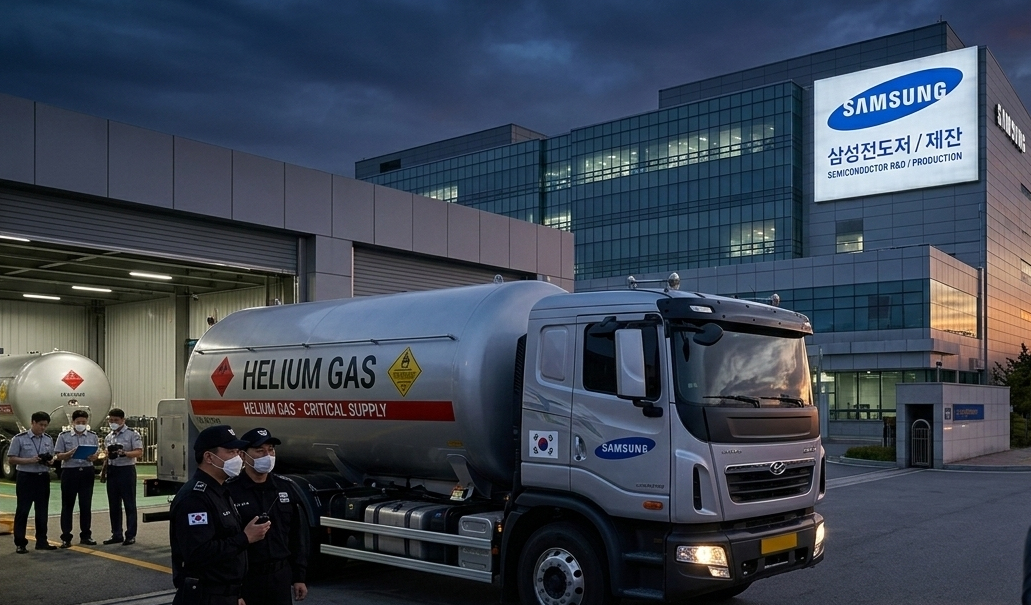
South Korean officials and industry leaders are sounding the alarm as the escalating conflict between Iran, Israel, and the U.S. threatens the backbone of global technology. With the Middle East crisis entering its sixth day, concerns are mounting that a prolonged war could choke the supply of materials essential for semiconductor manufacturing and drive up production costs.
The Helium Vulnerability
A primary concern for the industry is the supply of helium, a critical component used for heat management during the chipmaking process.
-
No Alternatives: There are currently no viable substitutes for helium in semiconductor production.
-
Limited Sourcing: The gas is produced in only a few countries, with Qatar being a leading player in the region.
-
Disruption Risk: Ruling party lawmaker Kim Young-bae warned that production could stall if these Middle Eastern sources become inaccessible.
Industry Response and Data Center Damage
South Korea produces approximately two-thirds of the world's memory chips, making its stability vital for global electronics.
-
Company Status: SK Hynix reported having sufficient inventory to avoid immediate procurement issues, while Samsung declined to comment.
-
Global Monitoring: Contract manufacturer GlobalFoundries is actively tracking the "fluid" situation and engaging with regional partners on mitigation plans.
-
Infrastructure at Risk: The conflict has already turned physical for Big Tech; Amazon reported drone strike damage to data centers in the UAE and Bahrain.
Threats to the AI Revolution
Beyond immediate material shortages, the crisis threatens long-term growth for artificial intelligence. U.S. giants like Microsoft and Nvidia have viewed the UAE as a strategic hub for AI computing. However, the instability—marked by Iran’s retaliatory missile strikes following the death of its Supreme Leader—is now casting doubt on the pace of tech expansion in the region.