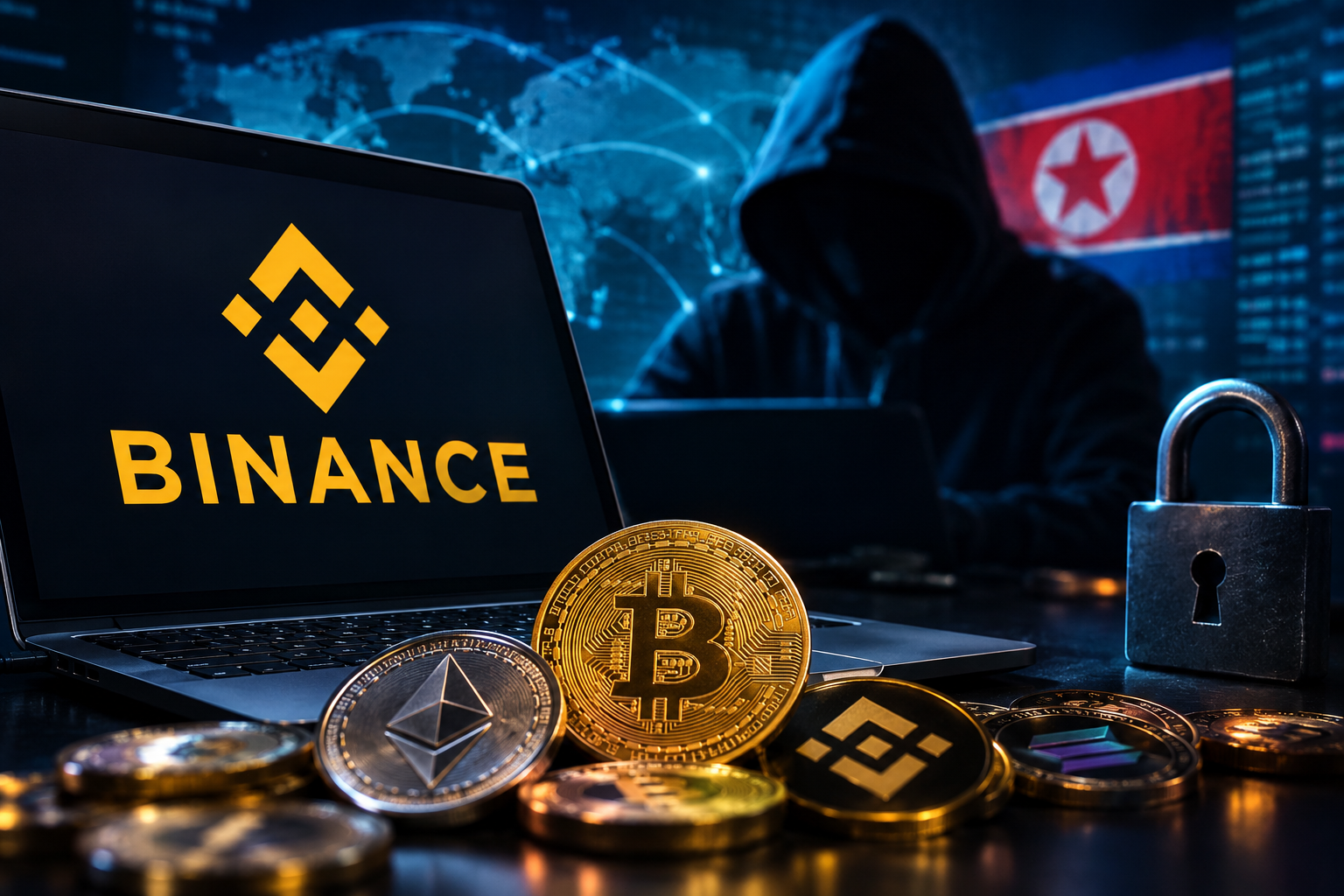
Binance, the world's largest cryptocurrency exchange, has reportedly suffered a $6.3 billion cyberattack in what analysts describe as the biggest cryptocurrency heist in history. The incident has raised fresh concerns about digital asset security and the risks associated with holding funds on centralised cryptocurrency exchanges.
According to blockchain analytics firms TRM Labs and Chainalysis, the attack was linked to North Korean hackers who targeted Binance wallets across 10 different blockchains. Investigators said the attackers moved most of the stolen funds within approximately 20 minutes. TRM Labs noted that several characteristics of the operation resembled previous cyberattacks attributed to North Korean-linked hacking groups.
Binance confirmed that it had worked with industry partners to freeze the affected assets, recovering or locating approximately $3 billion so far. The exchange's co-founder, Yi He, assured users that Binance would cover all losses resulting from the security breach. The company also stated that customer deposits remained unaffected and that withdrawal services were expected to resume within 48 hours.
The initial investigation suggested that the breach may have originated from an engineer's compromised laptop, allowing attackers to access internal systems and initiate unauthorised withdrawals. Binance's security team is continuing to investigate the incident to determine the complete attack route and identify the vulnerabilities involved.
The cyberattack triggered immediate reactions across cryptocurrency markets. Bitcoin fell more than 3 per cent to a six-week low of $76,368, while Ethereum declined by a similar margin to around $2,178. Binance's BNB token also recorded losses, reflecting growing investor concerns following the security breach.
Several cryptocurrency companies joined efforts to freeze funds associated with the incident. Stablecoin issuer Tether reportedly froze nearly $1.57 billion in related assets, while Circle froze more than $800 million. Ripple also reportedly froze approximately $200 million. Additional cooperation from cryptocurrency custodian BitGo and World Liberty Financial helped restrict the movement of some stolen funds.
Security experts warned that the incident could undermine investor confidence in centralised cryptocurrency platforms, highlighting concerns about counterparty risks, liquidity and the ability of exchanges to protect customer assets. Binance operates a Secure Asset Fund for Users (SAFU), a reserve designed to provide additional protection in the event of security breaches.
The incident adds to a growing number of major cryptocurrency thefts worldwide. Previous attacks, including the $1.5 billion Bybit hack attributed to North Korean hackers, have highlighted the increasing sophistication of cybercriminal groups targeting digital financial platforms.
As investigations continue, the Binance breach is expected to intensify discussions about cybersecurity standards, digital asset protection and the need for stronger safeguards across the global cryptocurrency industry.