Menu

Latest News

Punjab Unveils AI-Driven "Liquid Tree" to Combat Urban Smog
Punjab Chief Minister Maryam Nawaz Sharif has launched Pakistan’s first Environment Protection Agency (EPA)-certified "Liquid Tree," a bio-artificial system designed to combat smog and improve urban air quality. Developed through seven months of research, the system utilizes an AI-monitored, algae-based bioreactor—using a highly effective species identified in Sukkur—to absorb carbon dioxide and release oxygen. This initiative will initially be deployed in major shopping malls as a space-efficient alternative to traditional afforestation in congested urban areas, forming a key part of the government's broader strategy against climate change and environmental degradation.
Read more
High-End Phones Set for Rs. 14,000 Price Drop from July 1
In the 2026-27 budget, the government has introduced a 20% reduction in regulatory duty on high-end imported mobile phones, effective July 1, 2026, which will lower costs by Rs. 14,000 per device. However, the FBR Chairman advises against broader duty cuts, arguing that premium imports are purchased by affluent consumers and that current tax structures are vital for revenue, with flagship phones contributing 58% of import tax revenue despite making up only 16% of units. Instead, the FBR is prioritizing support for the local assembly industry which serves 95% of the market and recommends that future tax relief be strictly limited to entry-level phones in the $31–$200 range to assist price-sensitive buyers.
Read more
Pakistan International Airlines Set to Transition to Private Ownership in June
The privatization of Pakistan International Airlines (PIA) is set to be finalized by the end of June 2026, transferring 100% control to an Arif Habib-led consortium. The transition follows the completion of all local and international regulatory requirements, including a 15-year tax exemption for aircraft-related operations approved by the IMF. Alongside the PIA sale, the government has unveiled an ambitious privatization roadmap for FY2026-27, which includes the outsourcing of major international airports, the sale of five power distribution companies (DISCOs), and the privatization of two major financial institutions.
Read more
Pakistan Sets Full Transition to E-Passports to Modernize Travel
The Pakistani government has announced a comprehensive shift to e-passports to enhance security, reduce fraud, and ensure global compatibility. While a timeline for phasing out machine-readable passports is pending, the transition will allow citizens to utilize e-gate facilities worldwide. Alongside this upgrade, the government is digitizing services by introducing a cashless payment system for all passport offices starting July 1, 2026, and launching home-delivery services for passports. Additionally, online applications will be streamlined through the Pak ID platform, and a new policy for business passports is currently under development.
Read more
Federal Government to Fully Fund Gilgit-Baltistan’s 100MW Solar Initiative
Prime Minister Shehbaz Sharif has reaffirmed that the federal government will fully fund a 100MW solar energy project for Gilgit-Baltistan to address the region’s chronic electricity shortages. The initiative includes an 18MW solarization project for public buildings and an 82MW project for residential areas, with the Prime Minister mandating an accelerated timeline and independent third-party validation to ensure transparency throughout the development.
Read more
Court Suspends Islamabad Property Tax Bills Following Legal Petition
The Islamabad High Court has issued an interim order suspending property tax collection by the Metropolitan Corporation Islamabad (MCI). This ruling follows a petition challenging the legal validity of Gazette Notification No. 404(1)-4/2024 and specific tax bills issued in April 2026. The petitioners argue that the MCI lacks the authority to levy this tax, noting that the notification was issued by an administrator rather than an elected body, in potential violation of the Islamabad Capital Territory Local Government Act of 2015 and the Urban Immovable Property Tax Act of 1958. The court found a prima facie case for relief and has stayed the collection of these tax bills for all affected property owners until the next hearing in four weeks.
Read more
FBR Uncovers Widespread Underreporting Among High-Net-Worth Individuals
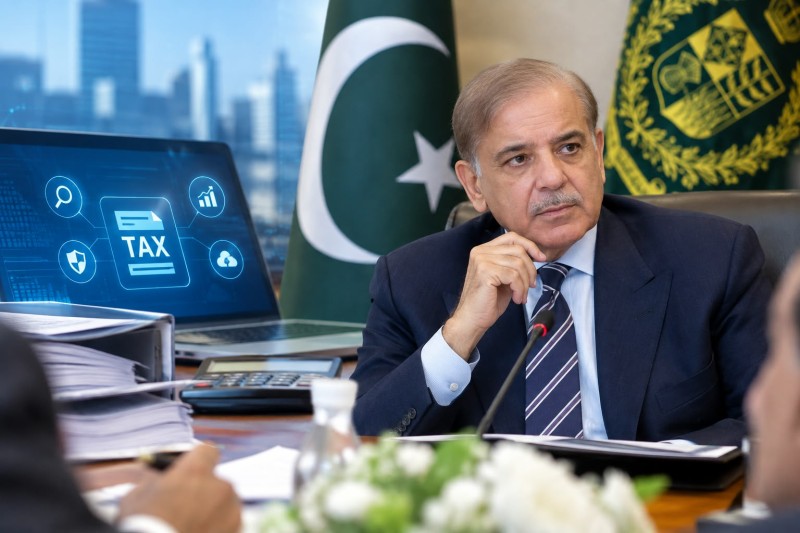
The Federal Board of Revenue (FBR) has uncovered significant tax underreporting among high-net-worth individuals and property buyers during its review of the Finance Bill 2026. Financial data analysis revealed that approximately 8,697 individuals held collective bank deposits of PKR 750 billion while reporting zero taxable income. Furthermore, nearly 80 percent of top property buyers materially underreported their bank deposits in tax filings, and 98.9 percent of high-deposit individuals failed to accurately report their financial inflows. In response, the FBR is working to strengthen data integration with the State Bank of Pakistan (SBP) to improve transaction monitoring and expand the tax base. Meanwhile, the Senate Standing Committee on Finance and Revenue has criticized past tax system "experiments," and the FBR has agreed to a proposed audit of policy actions taken over the last decade to help identify patterns of elite capture within the system.
Read more
Budget 2026-27 Unveils Major Tax Relief for Real Estate
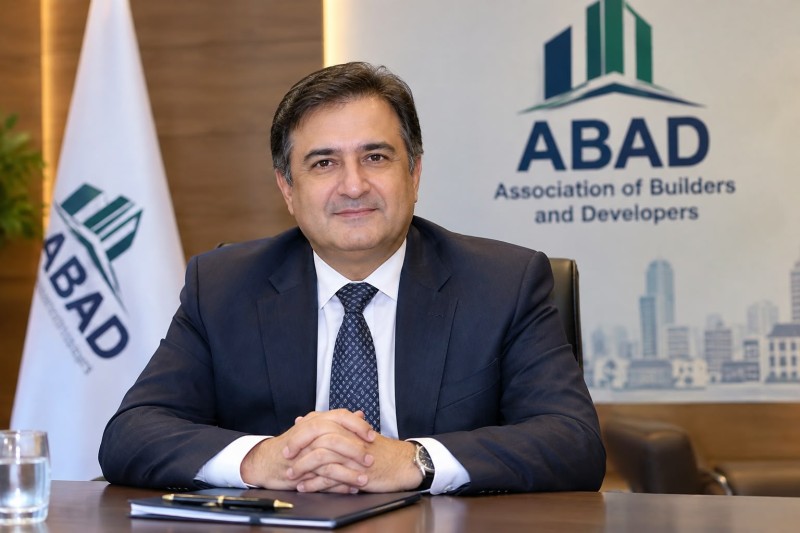
The Budget 2026-27 introduces a strategic tax relief package designed to stimulate the real estate and construction sectors by lowering transaction costs and addressing industry grievances. Key reforms include a 50% reduction in withholding tax rates for active tax filers—dropping to 1.25% for buyers and 2.75% for sellers—alongside the formal repeal of Section 7E. By eliminating this controversial "deemed income" tax, which was recently ruled unconstitutional, the government aims to restore investor confidence, encourage market activity, and foster a more favorable environment for property development and investment.
Read more
PM Mandates Accelerated Development for Key Gwadar Infrastructure Projects
Prime Minister Shehbaz Sharif has ordered the expedited completion of major infrastructure projects in Gwadar to drive socio-economic growth in Balochistan. Key initiatives being fast-tracked include the construction of Gwadar University and the city’s international airport. Additionally, the government is prioritizing the installation of a seawater desalination plant with Chinese assistance to provide clean drinking water to residents. The Prime Minister also highlighted several new industrial and agricultural ventures, such as a fertilizer plant and an expo center, noting that the federal government is collaborating with provincial authorities to ensure these projects foster regional stability and economic opportunity.
Read more