Menu

Tag: Pakistan economy

President Zardari Approves Finance Act 2026 to Drive Revenue Growth
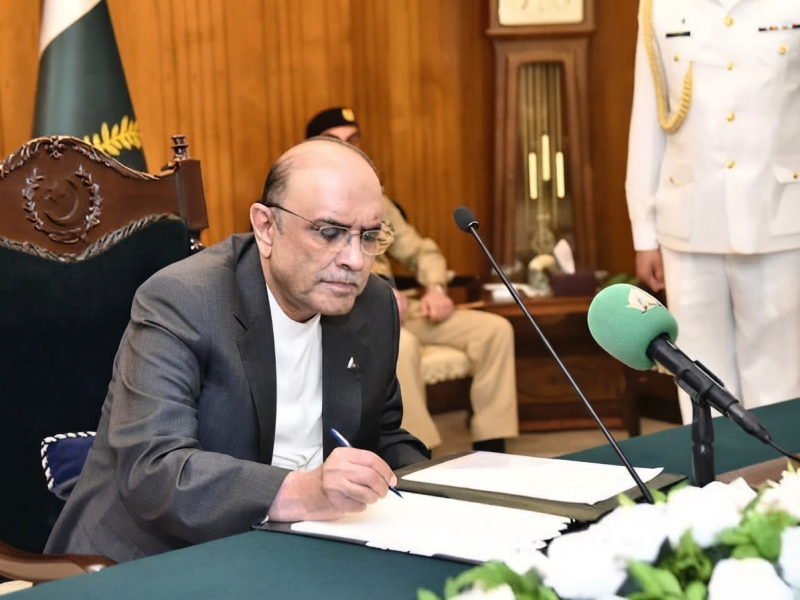
President Asif Ali Zardari has enacted the Finance Act 2026, launching a comprehensive suite of tax and tariff measures that took effect on July 1, 2026. The legislation aims to achieve a tax collection target of PKR 15,264 billion for the 2026-27 fiscal year by generating PKR 1.02 trillion through enhanced enforcement, digitalization, and new tax levies. While introducing higher taxes on luxury items and specific sectors, the Act also provides PKR 143.4 billion in import-stage tax relief through adjusted duties and removed exemptions. Key initiatives include the Retailer Formalisation Scheme, supply chain digitalization, and the use of algorithmic tax assessment to broaden the revenue base.
Read more
Gold Prices Dip in Pakistan Following Global Market Decline
Gold prices in Pakistan declined on Monday, June 29, 2026, as domestic rates tracked a drop in international markets. The price of 24-karat gold fell by Rs2,300 to settle at Rs428,936 per tola, while 10-gram gold decreased by Rs1,972 to Rs367,743. Silver also saw a reduction, falling by Rs69 to Rs6,324 per tola
Read more
Peshawar-Torkham Motorway Faces Major Restructuring Amid Cost Surge
The government is restructuring the Peshawar-Torkham Motorway project after costs ballooned from an initial PKR 41.44 billion to nearly PKR 130 billion. Despite a USD 460 million World Bank loan secured in 2019, construction has been stalled for over five years, largely due to outdated cost estimates and failed bidding rounds. Under the revised plan, the 55-kilometre Southern Link Road has been removed from the scope, and the main expressway will now be split into three construction packages. Authorities are currently negotiating a loan extension with the World Bank to proceed with the revised project based on updated 2025 construction rates.
Read more
High-End Phones Set for Rs. 14,000 Price Drop from July 1
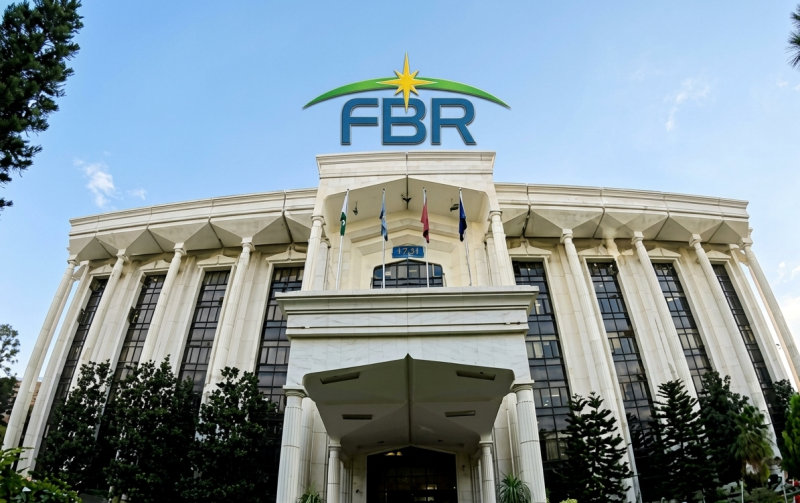
In the 2026-27 budget, the government has introduced a 20% reduction in regulatory duty on high-end imported mobile phones, effective July 1, 2026, which will lower costs by Rs. 14,000 per device. However, the FBR Chairman advises against broader duty cuts, arguing that premium imports are purchased by affluent consumers and that current tax structures are vital for revenue, with flagship phones contributing 58% of import tax revenue despite making up only 16% of units. Instead, the FBR is prioritizing support for the local assembly industry which serves 95% of the market and recommends that future tax relief be strictly limited to entry-level phones in the $31–$200 range to assist price-sensitive buyers.
Read more

Pakistan International Airlines Set to Transition to Private Ownership in June
The privatization of Pakistan International Airlines (PIA) is set to be finalized by the end of June 2026, transferring 100% control to an Arif Habib-led consortium. The transition follows the completion of all local and international regulatory requirements, including a 15-year tax exemption for aircraft-related operations approved by the IMF. Alongside the PIA sale, the government has unveiled an ambitious privatization roadmap for FY2026-27, which includes the outsourcing of major international airports, the sale of five power distribution companies (DISCOs), and the privatization of two major financial institutions.
Read more
FBR Uncovers Widespread Underreporting Among High-Net-Worth Individuals
The Federal Board of Revenue (FBR) has uncovered significant tax underreporting among high-net-worth individuals and property buyers during its review of the Finance Bill 2026. Financial data analysis revealed that approximately 8,697 individuals held collective bank deposits of PKR 750 billion while reporting zero taxable income. Furthermore, nearly 80 percent of top property buyers materially underreported their bank deposits in tax filings, and 98.9 percent of high-deposit individuals failed to accurately report their financial inflows. In response, the FBR is working to strengthen data integration with the State Bank of Pakistan (SBP) to improve transaction monitoring and expand the tax base. Meanwhile, the Senate Standing Committee on Finance and Revenue has criticized past tax system "experiments," and the FBR has agreed to a proposed audit of policy actions taken over the last decade to help identify patterns of elite capture within the system.
Read more
Federal Budget FY2026–27 Government Plans 20 Percent Cut in Power Sector Subsidies
The government plans to reduce power sector subsidies by 20% in the FY2026–27 federal budget, bringing the total allocation to Rs 830 billion. This move, which aligns with IMF requirements to cap subsidies at 0.6% of GDP, aims to manage circular debt and improve sector efficiency. While overall subsidies are declining, allocations for K-Electric are projected to rise significantly, and the government is shifting its strategy toward targeted cash transfers for low-income consumers via the Benazir Income Support Programme (BISP) rather than broad cross-subsidies.
Read more
President Zardari Grants Assent to SEZ Amendment Bill 2026 to Boost Investment
President Asif Ali Zardari has officially signed the Special Economic Zones (Amendment) Bill 2026 into law, aiming to bolster Pakistan’s investment climate and stimulate economic growth by streamlining business operations. The legislation introduces an expedited dispute resolution mechanism to support investors and mandates that federal and provincial governments provide essential infrastructure including electricity, gas, telecommunications, and road access to public sector SEZs within one year of their notification. Furthermore, the bill grants the Board of Investment the authority to extend similar government-funded infrastructure support to privately established SEZs on a case-by-case basis, provided they meet specific criteria set by the board.
Read more
Pakistan Invites Global Partners to Develop Strategic Oil Reserves at Gwadar Energy City
Pakistan is inviting oil-producing nations to build strategic oil reserves at a new Energy City near Gwadar Port to enhance energy security and regional trade. With active interest from Kuwait and ongoing discussions regarding Saudi investment, the project focuses on expanding storage and handling capacity for oil, LNG, and LPG. This initiative is a vital component of the government's "Hundred Years Vision 2047–2147," which aims to transform Pakistan into a key energy and maritime logistics hub.
Read more